Essential Tayrona National Park Tips for First Time Visitors (2026 Guide + Safety Tips)
Visiting Tayrona National Park was one of the stops I was most excited about on our Colombia trip. We spent two days near the park and hiked from the El Zaino entrance through the jungle to Cabo San Juan where we spent a few hours swimming and chilling on the beach before making the hike back.
There are a few things I wish I had known before visiting Tayrona National Park, from choosing the right entrance to what to pack and whether it is actually worth staying overnight inside the park. We decided to stay just outside at The Valley Hostel instead and I was very happy with that decision!
This Tayrona travel guide covers my essential Tayrona National Park tips based on our experience plus everything you need to know before visiting Tayrona National Park Colombia for the first time.
Tayrona National Park
Essential Tayrona National Park Tips that I wish I knew before arriving!
My 7 Essential Tayrona National Park Tips
Affiliate disclosure: Some links in this post are affiliate links, which means I may earn a small commission if you book or purchase through them at no extra cost to you. Read my full affiliate disclosure.
1. Important Note: Tayrona Closed Dates and Indigenous Ceremonies
We REALLY wish we knew this before arriving in Colombia. We originally started our Colombia route in the opposite direction but had to completely change our plans and fly across the country to make sure Tayrona National Park was actually open by the time we reached it.
Tayrona National Park has three scheduled closure periods each year to allow the territory to rest and for environmental, cultural and spiritual activities with the Indigenous communities of the Sierra Nevada de Santa Marta.
The Tayrona National Park closure dates are:
- February 1 to 15 (Kugkui Shikasa season)
- June 1 to 15 (Saka Juso season)
- October 19 to November 2 (Nabbatashi season)
Definitely check the official Tayrona National Park page before planning your route because additional temporary closures can happen due to weather or safety conditions. This actually happened in 2026 outside the scheduled closure periods so I would not rely on the annual dates alone.
2. How to get to Tayrona National Park
Getting to Tayrona National Park is straightforward whether you are coming from Minca or Palomino.
If you are travelling from Minca to Tayrona, there is no direct public bus so you will need to change in Santa Marta. This is the route I recommend:
Minca to Santa Marta: Head over to the central Cootrasminca office in Minca town and hop on a local colectivo heading to Santa Marta. The journey takes around 45 minutes to an hour and costs approximately 10,000 COP. The colectivos generally leave once they are full rather than running to an exact timetable.
Change for Tayrona: From Santa Marta take one of the buses heading towards Tayrona and Palomino and ask the driver to drop you at El Zaino or near your accommodation. El Zaino is the main entrance to Tayrona National Park and the journey takes roughly one hour and costs around 10,000 COP.
If you are staying near Tayrona rather than going straight into the park keep an eye on Google Maps and ask the driver to stop close to your accommodation.
Coming from Palomino is even easier. You can take a bus towards Santa Marta from the main road and ask to get off at El Zaino. The journey takes around 45 minutes and costs roughly 10,000 COP.
If you are short on time or just do not want to deal with the transport logistics you can also book a Tayrona National Park tour with transport included.
3. Park Timings, Costs and Documents Required for Entry
Tayrona National Park is generally open every day outside the scheduled closure periods but the opening times vary depending on the entrance and season. At El Zaino, entry is currently allowed from 7am to 3pm during high season but you must leave by 6pm if you are not staying overnight.
During low season, entry is from 8am to 5pm. Always check the official website before your visit because the times can change and the other entrances have different opening hours.
Entrance fees depend on the time of year. The current price for a foreign visitor who is not a Colombian resident is 96,500 COP during high season and 81,000 COP during low season. High season currently includes December 1 to January 31, June 1 to July 31, Easter week, weekends with a Monday public holiday and the October school holiday week.
You also have to purchase mandatory accident insurance for your time inside the park. This is separate from your normal travel insurance and must be purchased from an insurer approved by the park.
To enter the park you must have received your yellow fever vaccination at least 10 days before your visit. Bring your vaccination certificate and passport with you as we had to show ours before we were allowed to buy our tickets.
4. Staying in Tayrona National Park
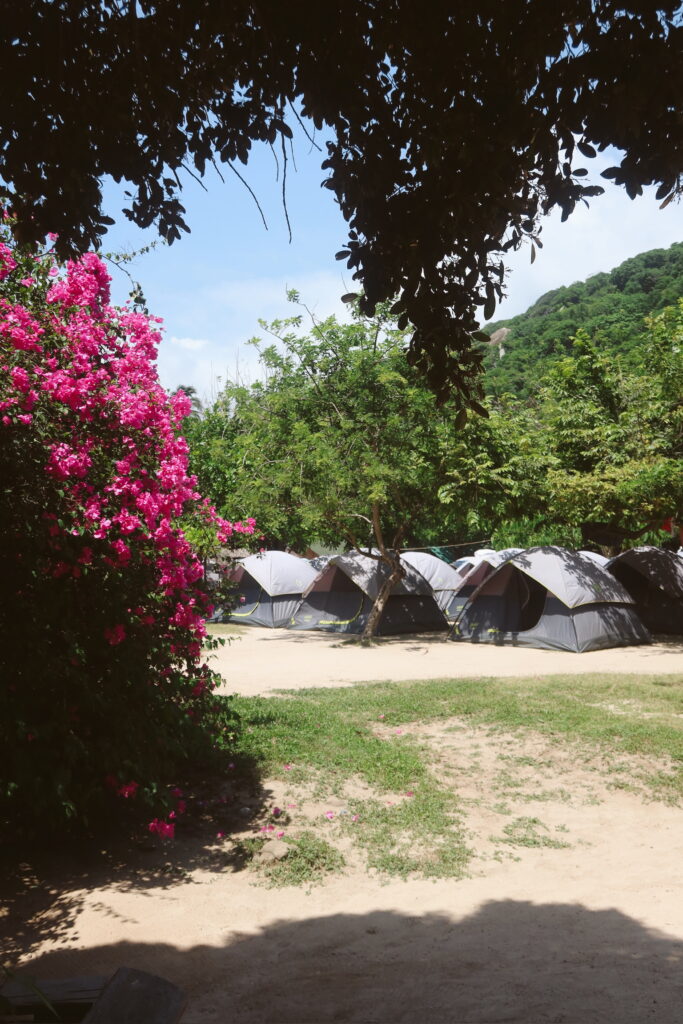
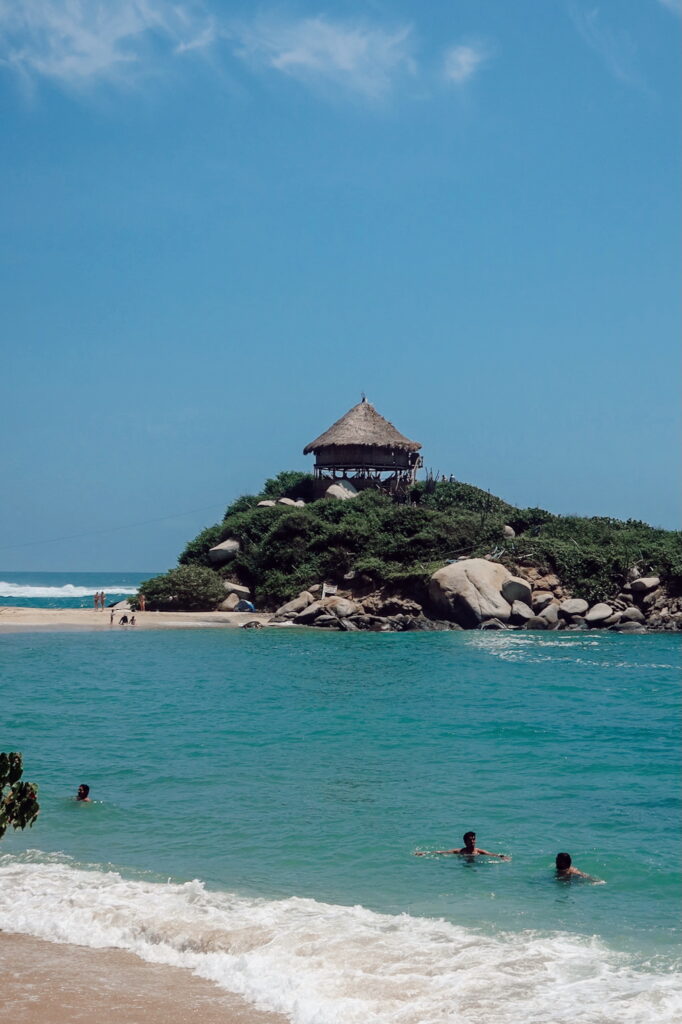
Staying overnight inside Tayrona National Park Colombia is a popular option if you want more time at Cabo San Juan without completing the entire hike there and back in one day. There are tents and hammocks available at the campsite, including a limited number of hammocks inside the famous lookout on the rocks.
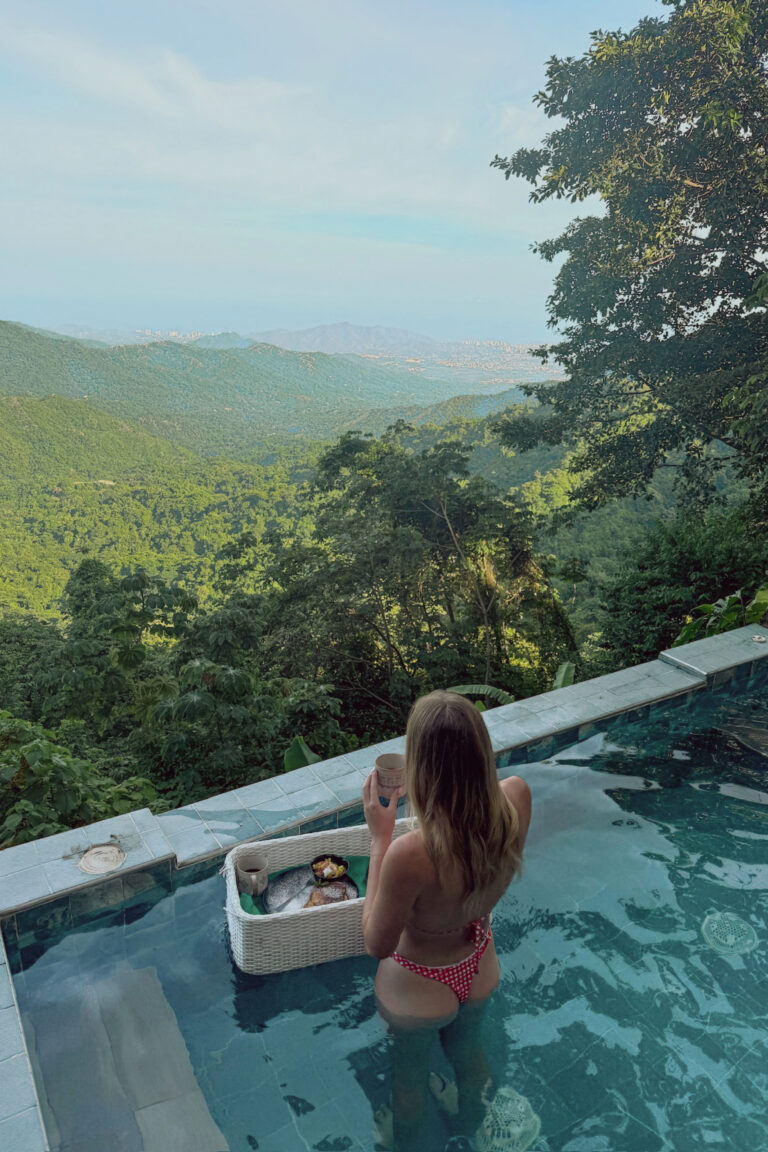
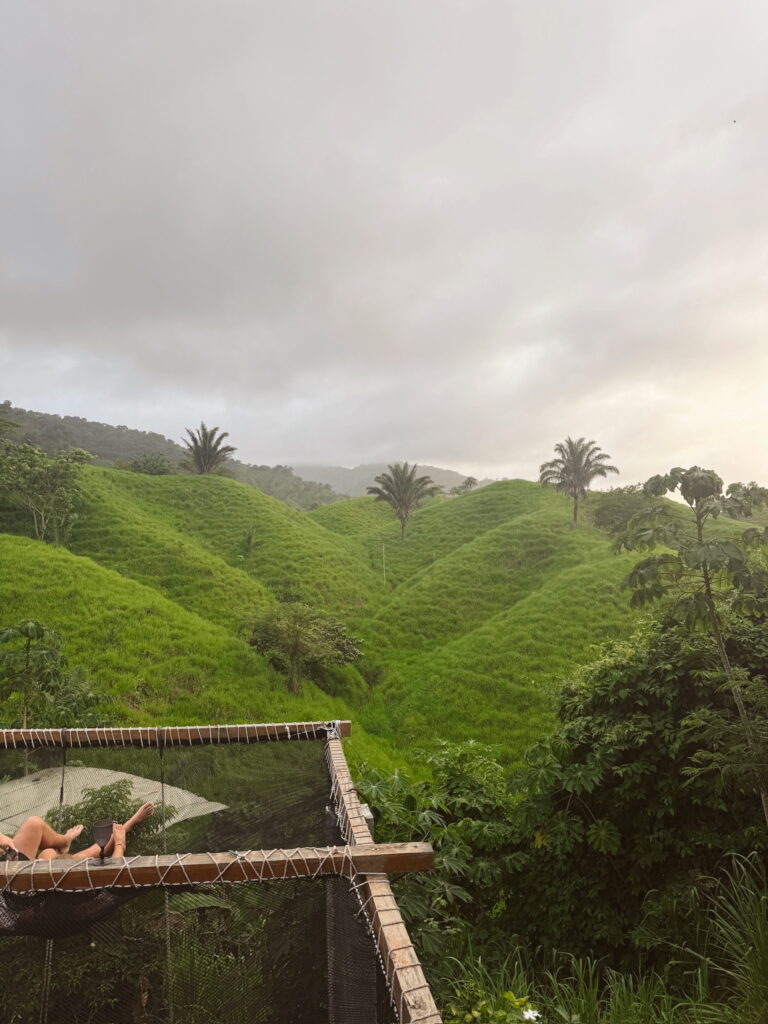
We considered staying overnight but ultimately decided against it. Sleeping in a hot tent or hammock with no air conditioning and loads of mosquitoes did not sound fun to me lol. Instead we stayed just outside the park at The Valley Tayrona Hostel and visited Tayrona as a day trip which I was VERY happy with.
If you do want to stay inside the park make sure to check the latest booking arrangements directly with the campsite before your visit. The accommodation is basic and often sells out quickly, particularly for the hammocks inside the lookout, so do not arrive assuming you will definitely get your preferred option.
5. Choosing an Entrance
Tayrona National Park has two main entrances: El Zaino and Calabazo.
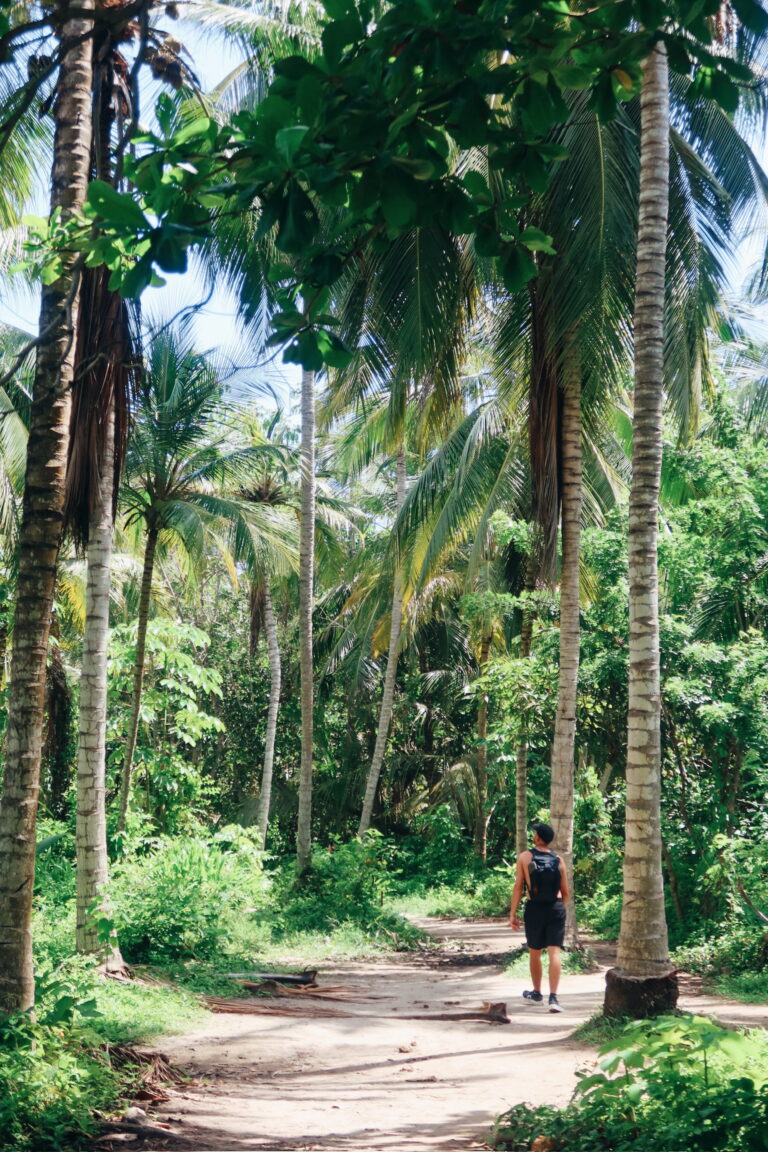
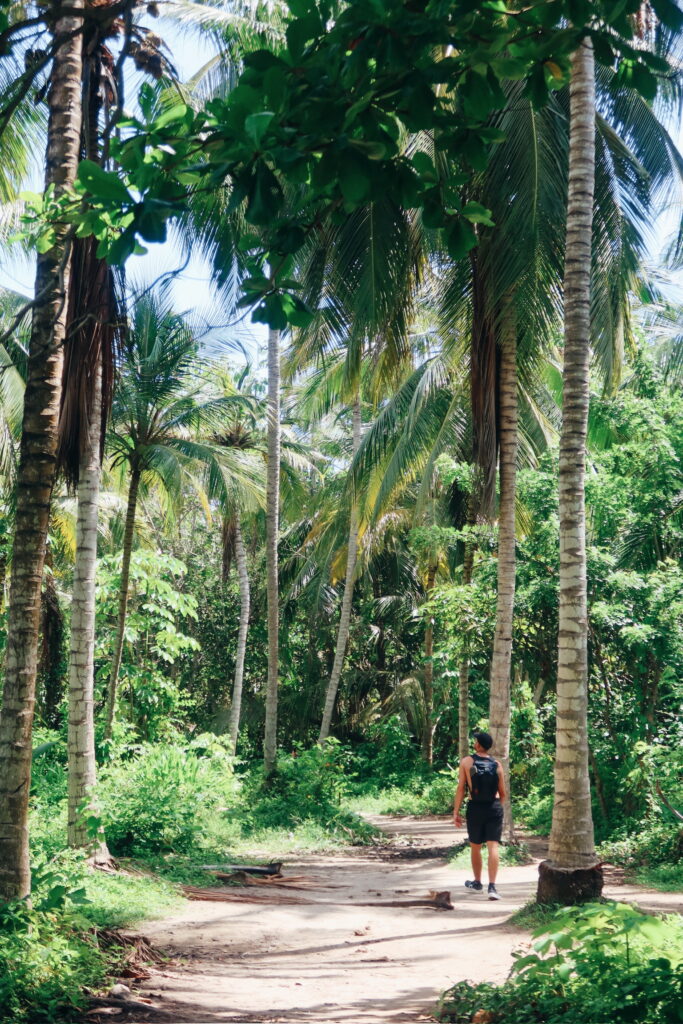
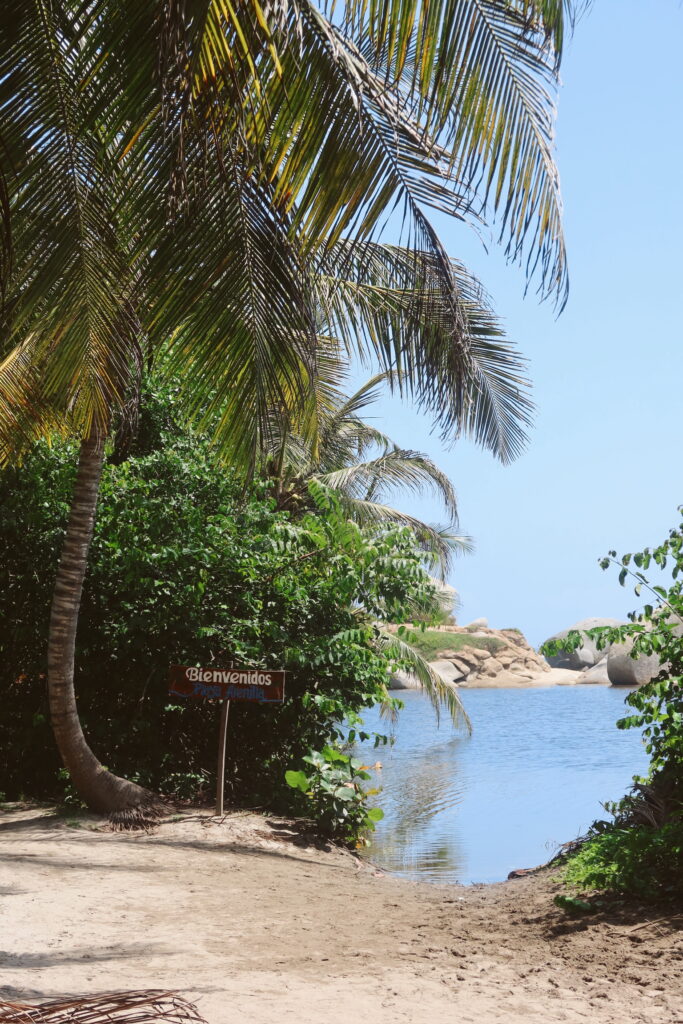
We entered through El Zaino which is the main entrance that most visitors use. The hike from here is easier, more straightforward and well marked which is why it is the most popular starting point for first time visitors. The path takes you past several beaches before reaching Cabo San Juan.
I did not hike from Calabazo but the staff at our hostel told us that it was the harder route. They said it was generally quieter than El Zaino so it meant that with fewer people along the way you had more chances to spot wildlife.
Choosing which entrance to use depends on your priorities. If you want an easier walk and a chance to explore some of the most popular beaches, I would choose El Zaino. If you prefer a more challenging hike with fewer crowds then Calabazo might be the better option.
6. Hiking Tayrona National Park
When you enter Tayrona National Park from El Zaino you can either take the paid shuttle or walk along the road to the start of the main trail. We were told that walking this section takes around one hour but there is not much to see so we chose the shuttle. I would 1000% recommend doing the same and saving your energy for the actual hike as it is legit only a road and no views.
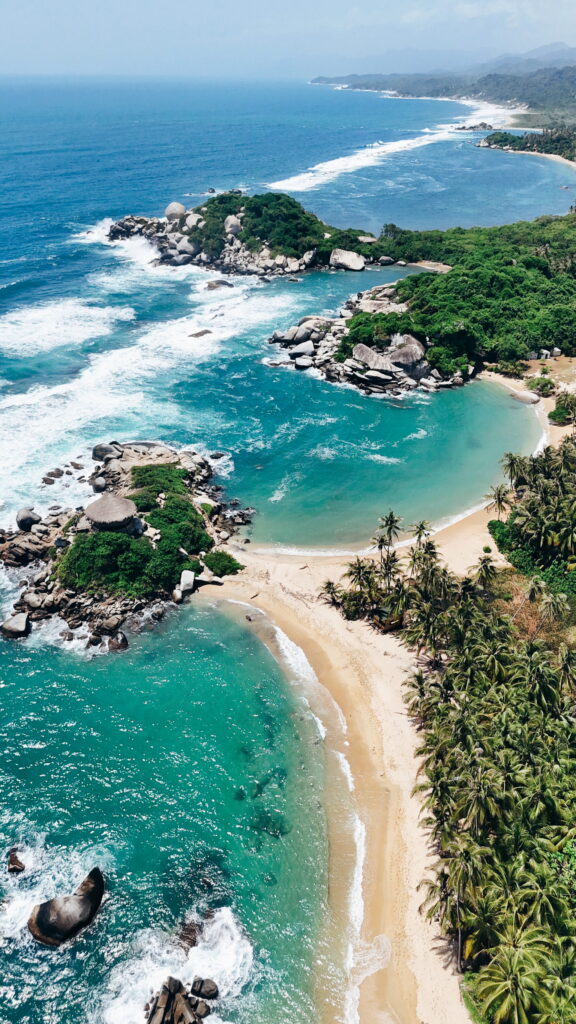
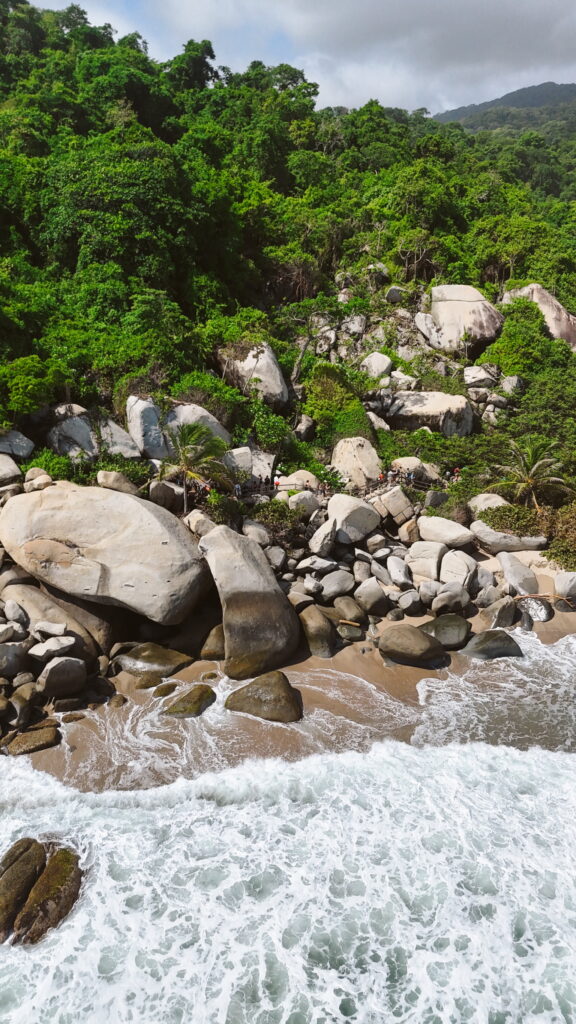
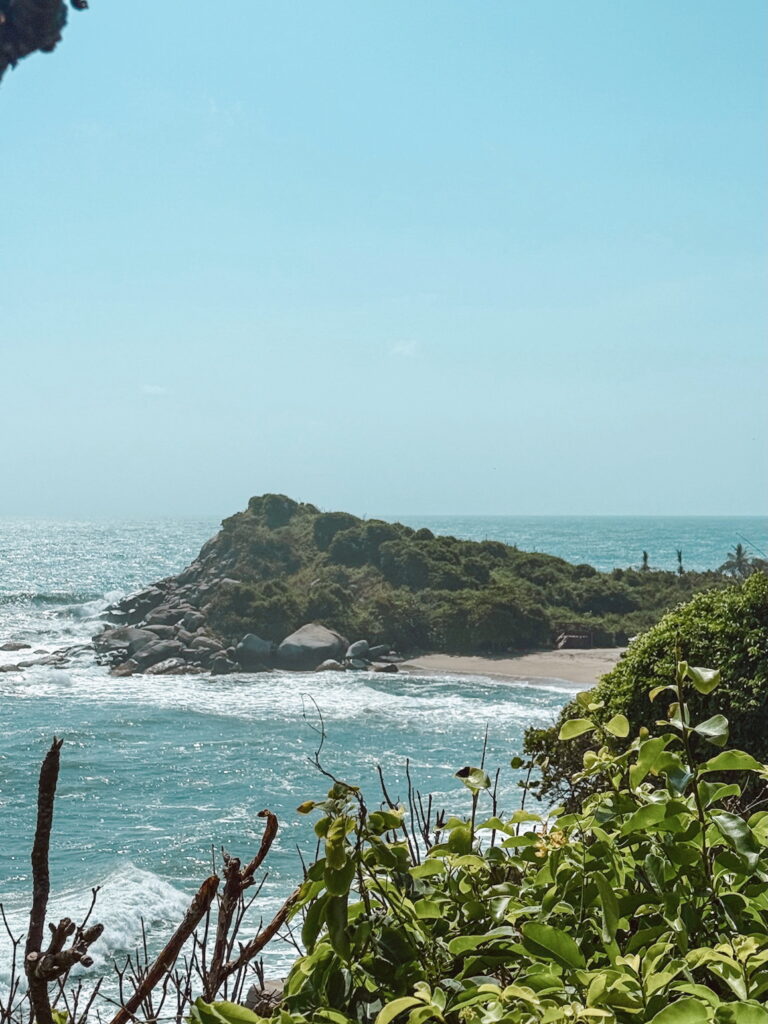
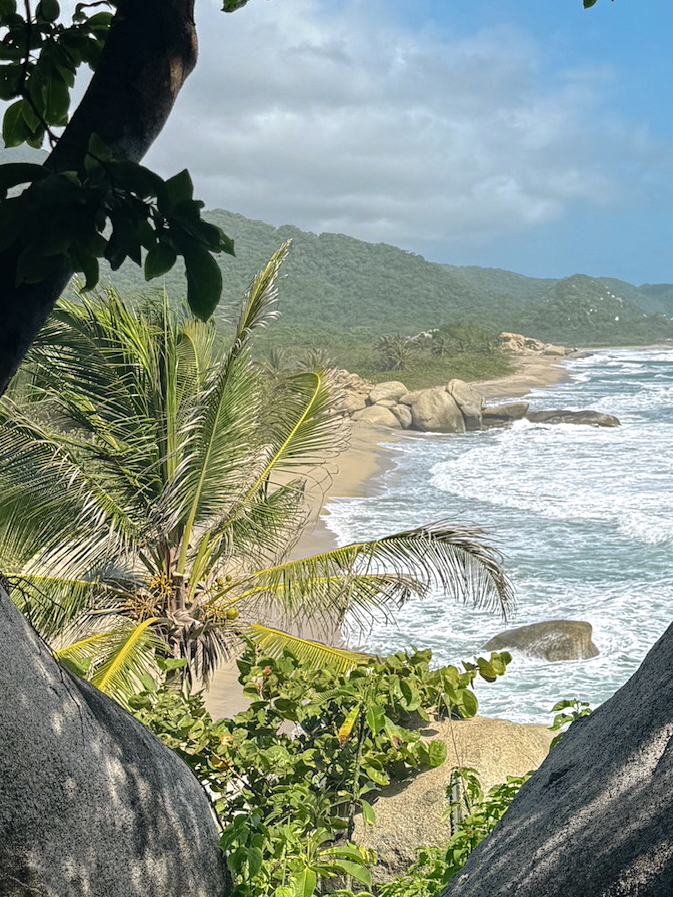
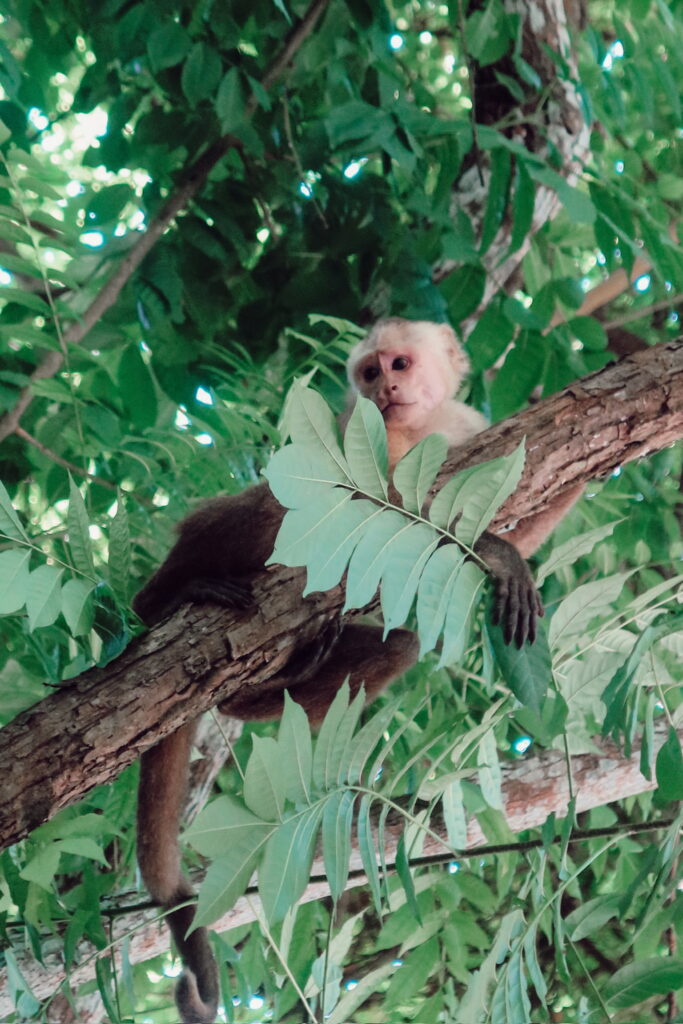
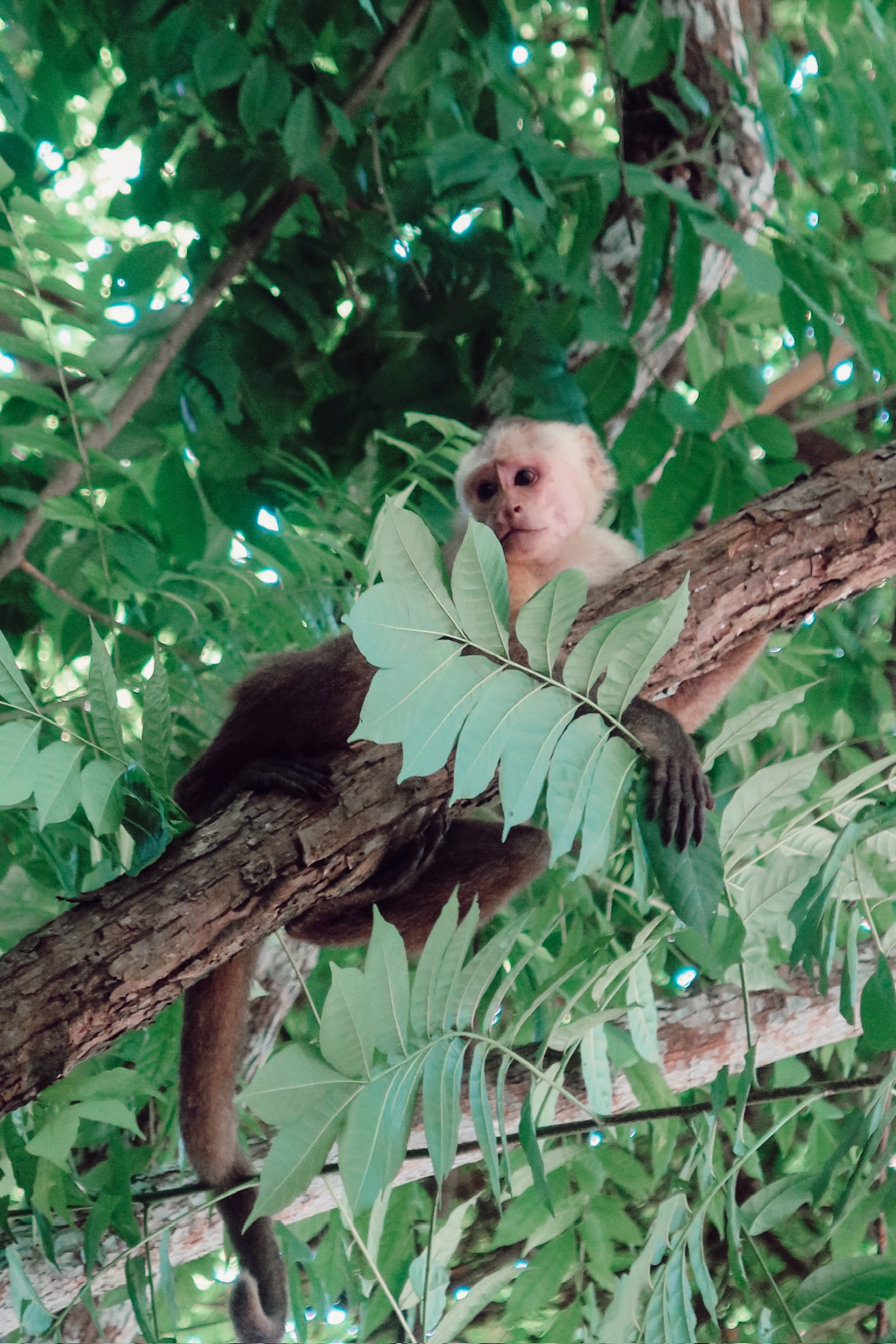
Literally as we stepped out the shuttle we saw a monkey in the trees in the car park which was such a good start! The first part of the hike takes you through the jungle towards Arrecifes with a few openings where you can see the beach, rocks and palm trees from above.
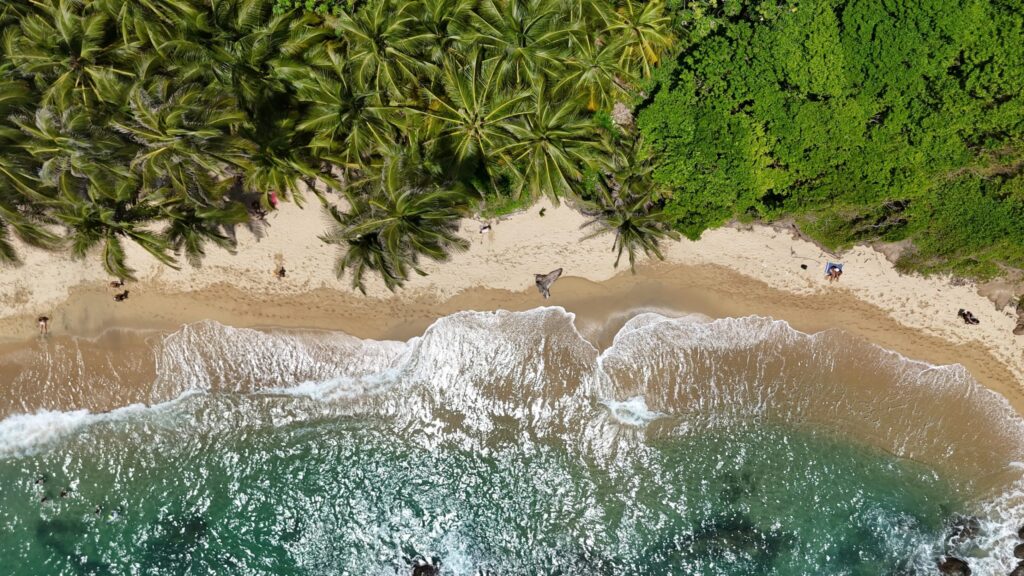
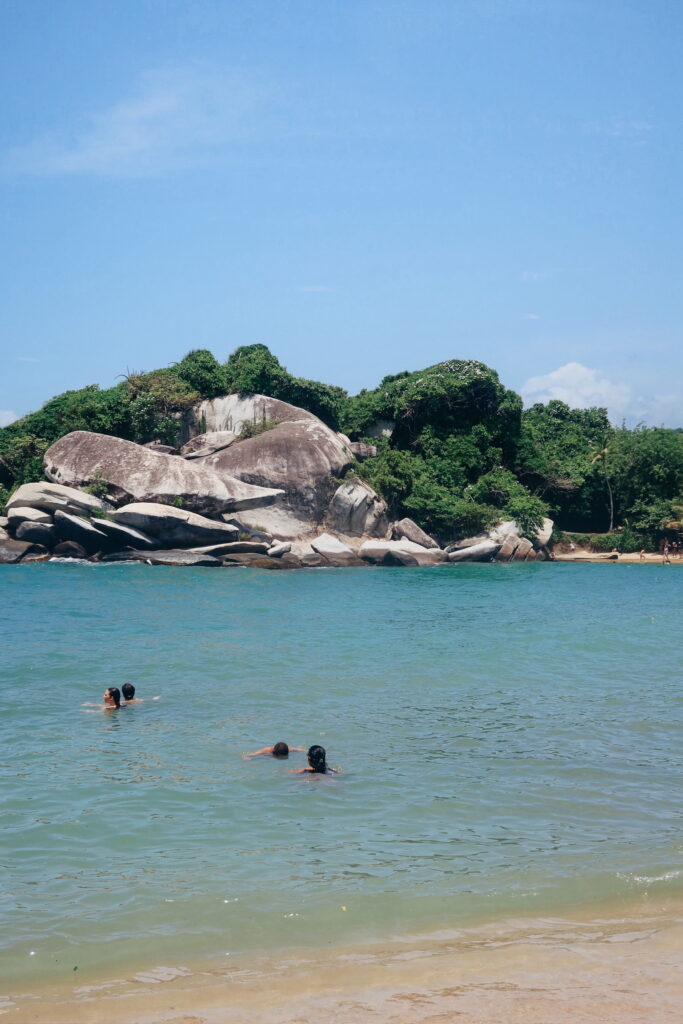
You cannot swim at Arrecifes because the currents are extremely dangerous so pay attention to the warning signs and do not enter the water. From here, we continued towards La Piscina, which is one of the beaches where swimming is allowed. Loads of people recommended stopping here but we only took some photos because we wanted to reach Cabo San Juan before it got too busy.
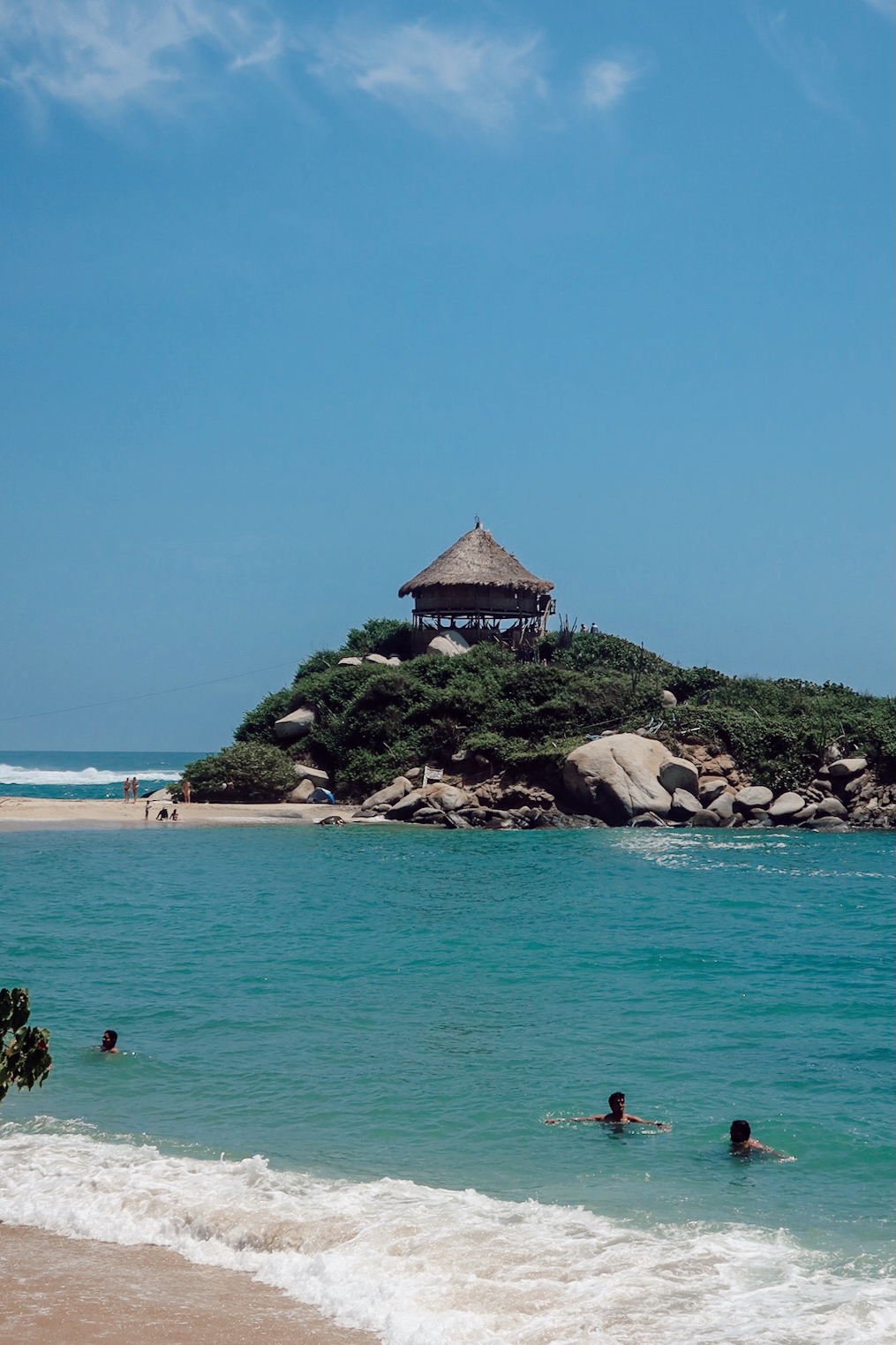
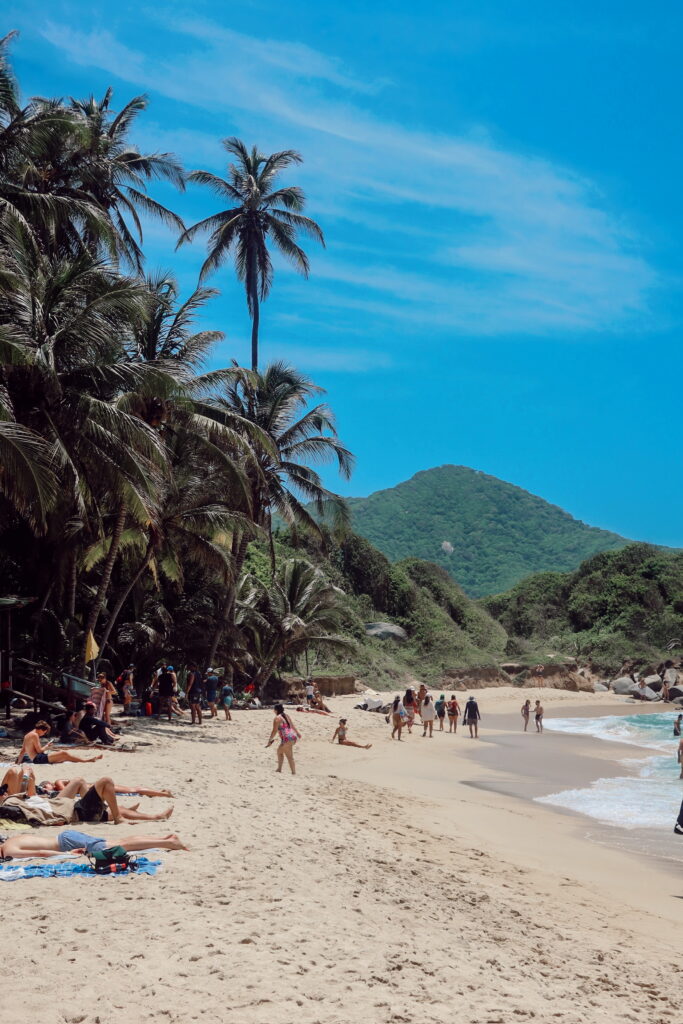
Cabo San Juan is the most popular beach in Tayrona National Park and the main place people stop for the day. We were told not to spend all our time there because it gets crowded and they were not wrong lol. However it is popular for a reason and we still found a spot, went swimming and spent a few hours chilling on the beach.
The hike from the shuttle drop off to Cabo San Juan took us around 1 hour 45 minutes without any long stops. Allow longer if you want to swim at La Piscina or spend time at the other beaches along the way. Remember that you need to complete the same hike back, so leave Cabo San Juan with enough time to reach the shuttle and exit the park before it closes.
7. What to Pack
You do not need to carry loads for a Tayrona day trip but you will be walking in serious heat so pack carefully. If you are staying overnight you will also need clothing and toiletries for the following day.
Day Bag Essentials:
- Mosquito repellent
- Small first aid kit with plasters, painkillers and antiseptic wipes
- Reusable water bottle
- Quick drying travel towel
- Dry bag for valuables
- Suncream
- Sunglasses
- Snacks and small packed lunch (prices in the park are a killer)
- Power bank (there is no where to charge your phone)
- Toilet paper
Documents and Money: - Passport
- Yellow fever vaccination certificate as we had to show ours
- Confirmation of your mandatory park accident insurance
- Accommodation confirmation if you are staying overnight
- Cash
Clothing and Footwear:
- Hiking shoes
- Sandals / flip flops for the beach
- Lightweight clothing for hiking
- Swimwear
- Hat
- Raincoat as the weather can be unpredictable
- Clean clothes, socks and underwear for the following day if you are staying overnight
- Lightweight long sleeved top and trousers for mosquito protection if staying overnight
- Light jumper for sleeping in a hammock or tent
Optional Items: - Binoculars for wildlife spotting
- Head torch if you are staying overnight
- Basic toiletries for an overnight stay
Single use plastics are not allowed inside Tayrona National Park, so avoid taking plastic bags, disposable bottles or food packaged in single use plastic.
Where to Stay Near Tayrona National Park
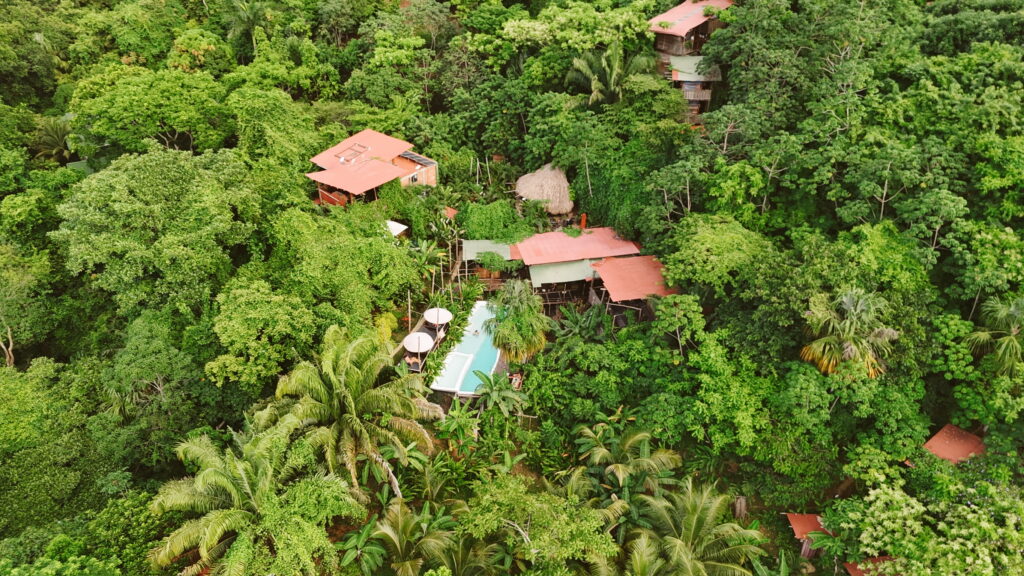
Staying near the El Zaino entrance makes it much easier to arrive when Tayrona opens without travelling from Santa Marta early in the morning. These are my recommendations for different budgets:
What is Next?
Ultimate 3 Week Travel Itinerary
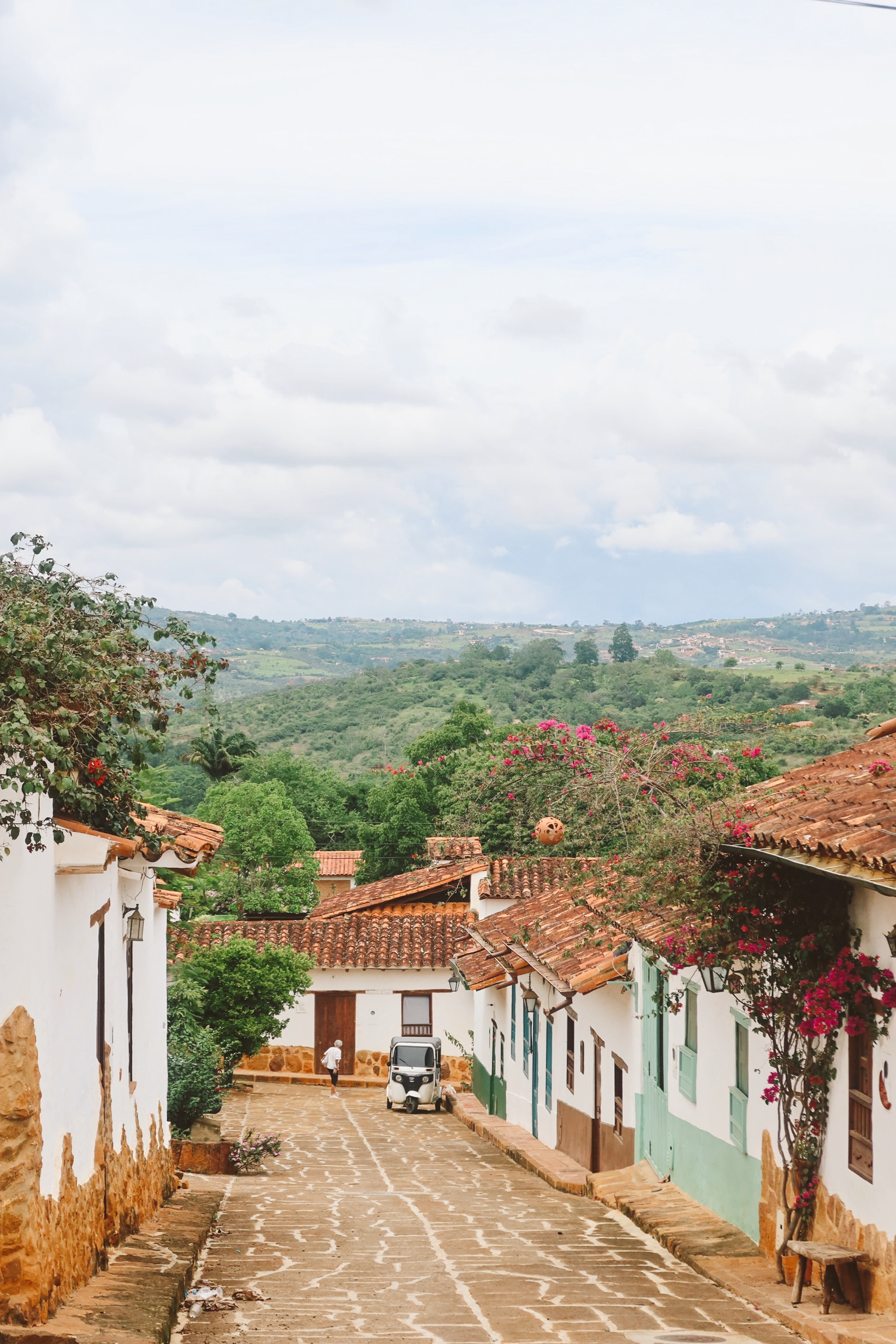
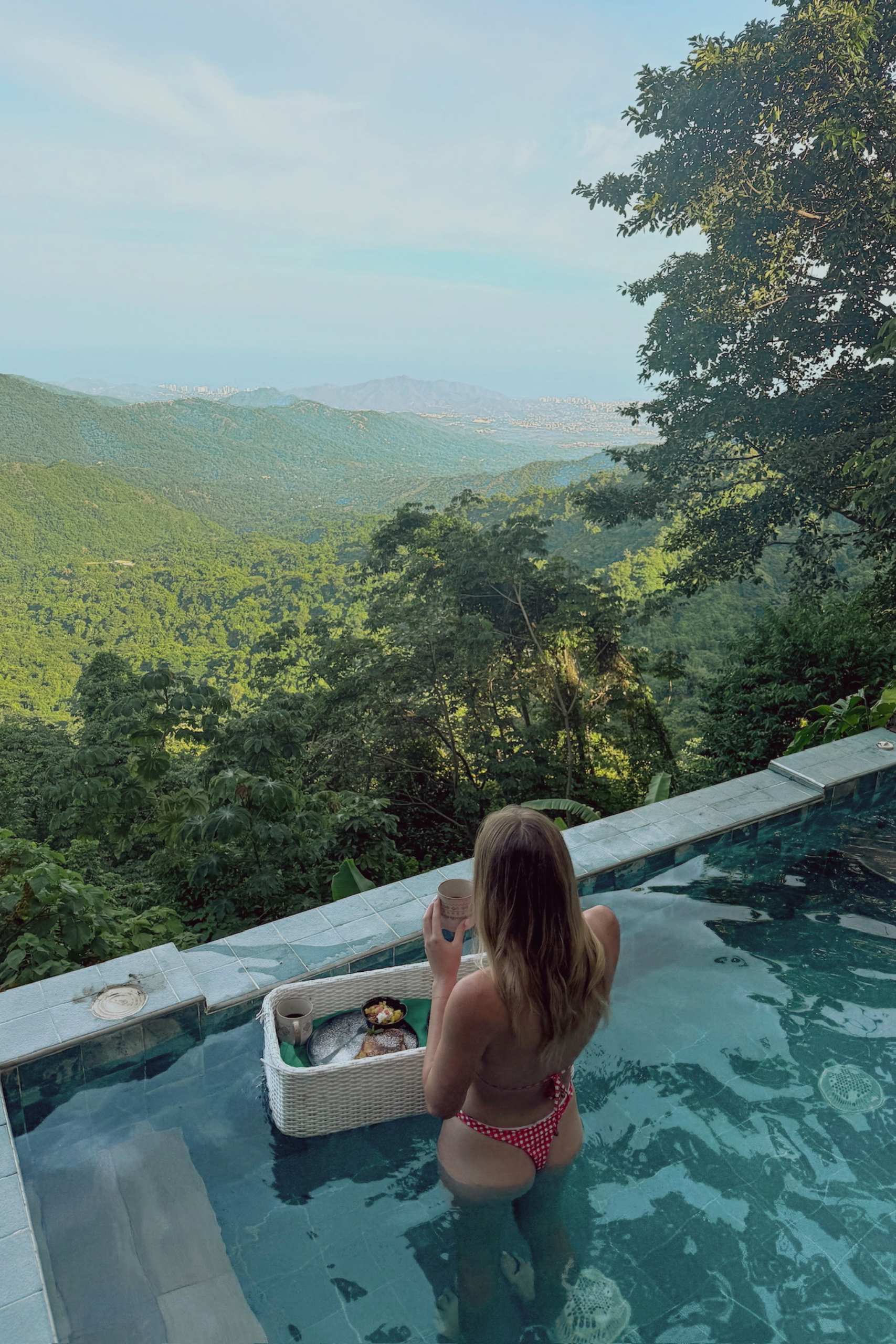
We actually spent 5 weeks in Colombia as we attended a local Spanish school in Medellin for 2 weeks. If you are planning to just travel then I recommend 3 weeks. 3 weeks gives you enough time to see the main highlights without using up all your annual leave days. This guide breaks down our exact daily route and transport tips so you can copy our itinerary easily before you arrive.
Where to next?
I am always planning my next trip and sharing everything I learn along the way. If you would like to follow my travels through 44 countries and beyond, join me on social media. From places I loved to the things I would probably do differently next time, I share honest travel advice to help you plan your own adventures. I would love to have you along for the journey.