Essential Tayrona National Park Tips for First Time Visitors (2026 Guide + Safety Tips)
If you are planning a trip to the Caribbean coast of Colombia, these Tayrona National Park Tips will help you make the most of your visit. Visiting Tayrona National Park offers a stunning mix of jungle, winding trails and pristine beaches, with wildlife like monkeys, caimans and colourful birds around every corner. Whether hiking through the forest, relaxing on a white sand beach or exploring hidden spots, a little preparation goes a long way. This Tayrona Travel Guide shares practical advice and insider tips from our experience so you can enjoy everything Tayrona National Park Colombia has to offer and plan your day with confidence.
Tayrona National Park
Essential Tayrona National Park Tips for First Time Visitors (2026 Guide + Safety Tips)
Essential Tayrona National Park Tips for an Unforgettable Visit
1. Important Note – Tayrona Closed Dates and Indigenous Ceremonies
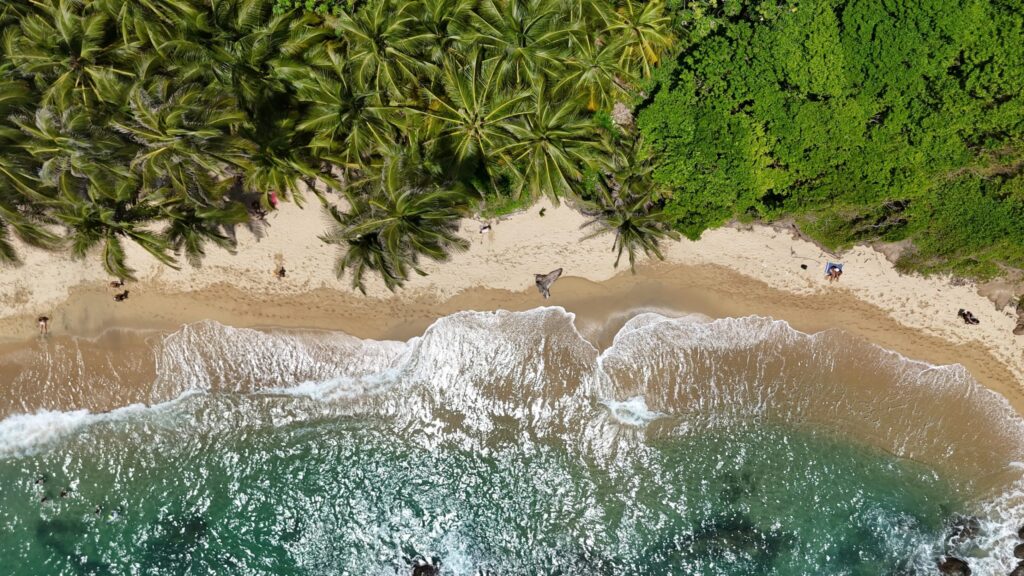
We wish we knew this before arriving. We started our Colombia loop anticlockwise and then had to fly and change routes to clockwise to make sure Tayrona National Park was open when we arrived in northern Colombia. The park is closed three times a year for indigenous ceremonies to protect sacred sites and allow the local communities to perform their traditional rituals. The closures are:
- February 1 to 15 (Kugkui Shikasa season)
- June 1 to 15 (Saka Juso season)
- October 19 to November 2 (Nabbat season)
Check the official website before arriving in case there are any changes: Tayrona National Park website.
2. How to get to Tayrona National Park
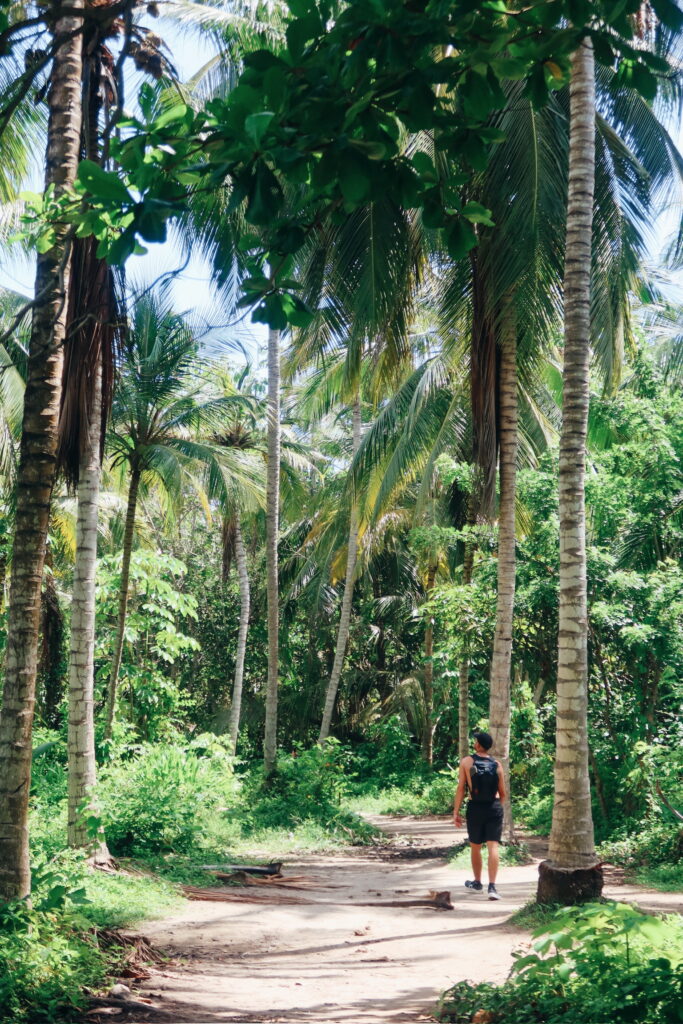
Getting to Tayrona National Park is straightforward, whether you are coming from Minca or Palomino.
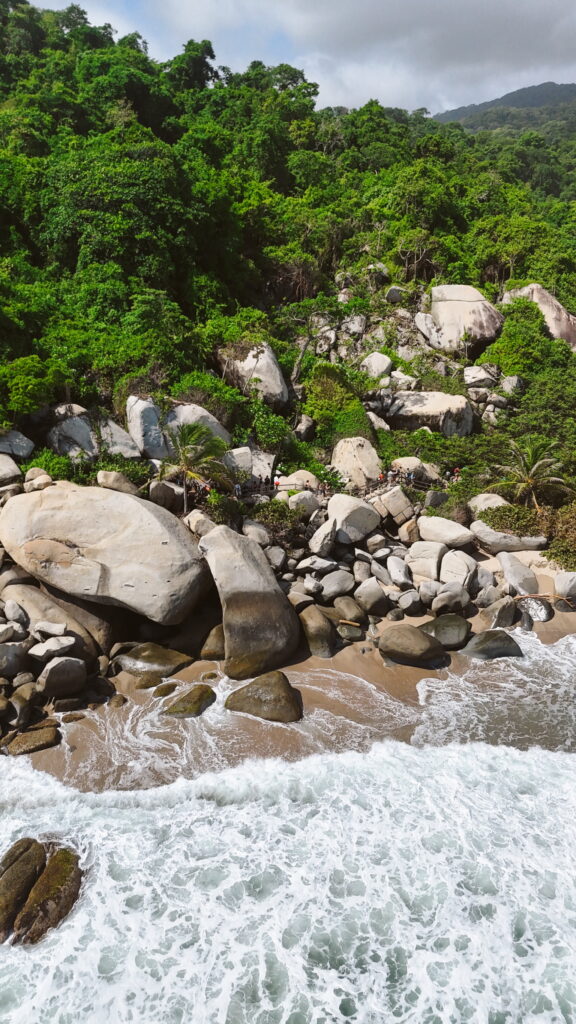
Getting from Minca down to Tayrona National Park is a classic backpacker route. While there is no direct public bus between the two, combining two local connections is incredibly cheap, simple and saves you a fortune compared to a private shuttle!
Here is exactly how to do the budget route step by step:
Minca to Santa Marta: Head over to the central Cootrasminca office in Minca town. You can hop on a local public colectivo (shared minibus) heading down the mountain to Santa Marta. Tickets cost about 10,000 COP, the vehicles leave every 30 minutes throughout the day, and the winding journey takes around 45 minutes.
The Market Switch: The minibus from Minca will drop you off near the bustling public market area in Santa Marta. From here, you do not even need to change locations. Simply look around the corner at Calle 11 and Carrera 11 for the frequent local green buses with “Tayrona / Palomino” clearly painted on the windscreen.
Santa Marta to Tayrona: Board the green bus for the final leg of the trip. The ticket costs around 10,000 COP and the drive takes roughly one hour. Tell the driver you want to get off at El Zaino, which is the main and most popular entrance to the park. If you are staying the night, keep an eye on Google Maps as you are driving as your hostel is likely on the main road towards the park, just shout “Parada” at the bus driver when you want to get off (which means stop in Spanish!).
If you are coming from Palomino, the bus fare is around 8,000 to 10,000 COP and is one straight bus the whole way. You can also ask the driver to stop close to your accommodation, which makes it easy to time your arrival.
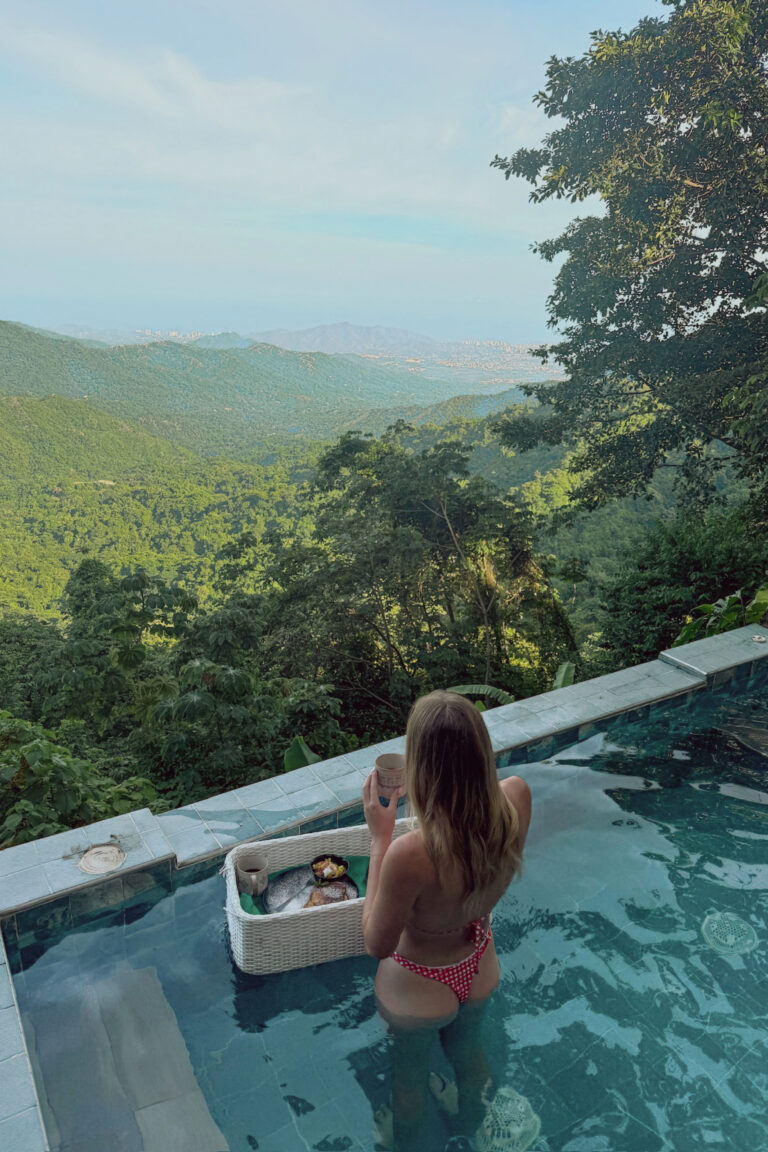
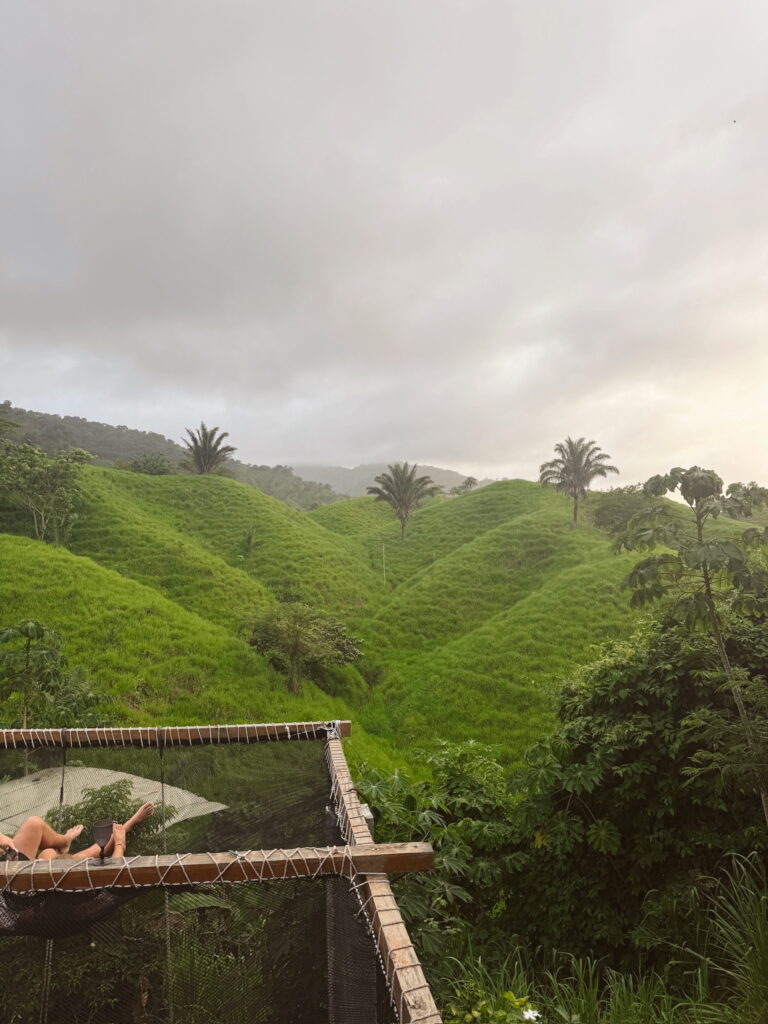
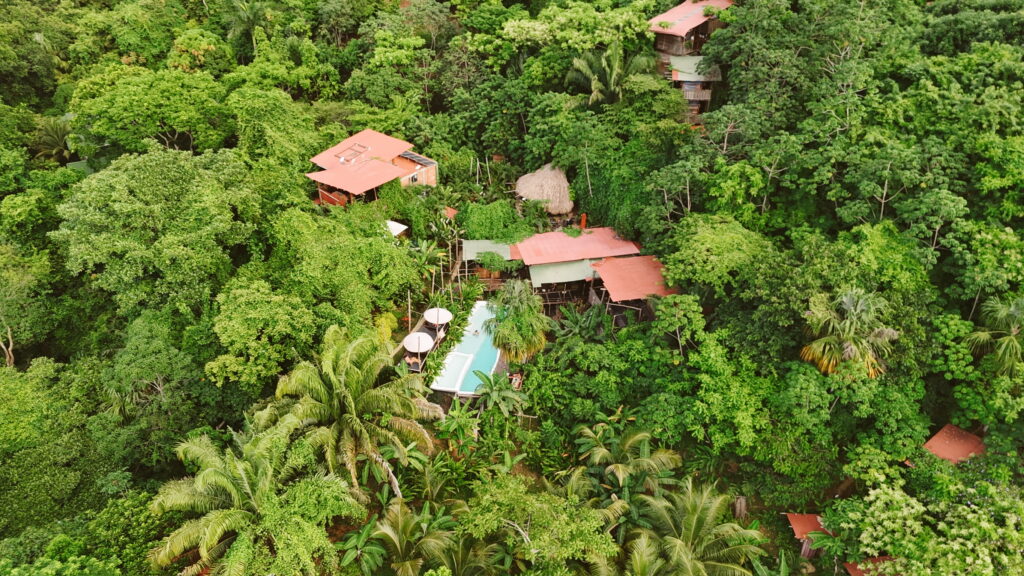
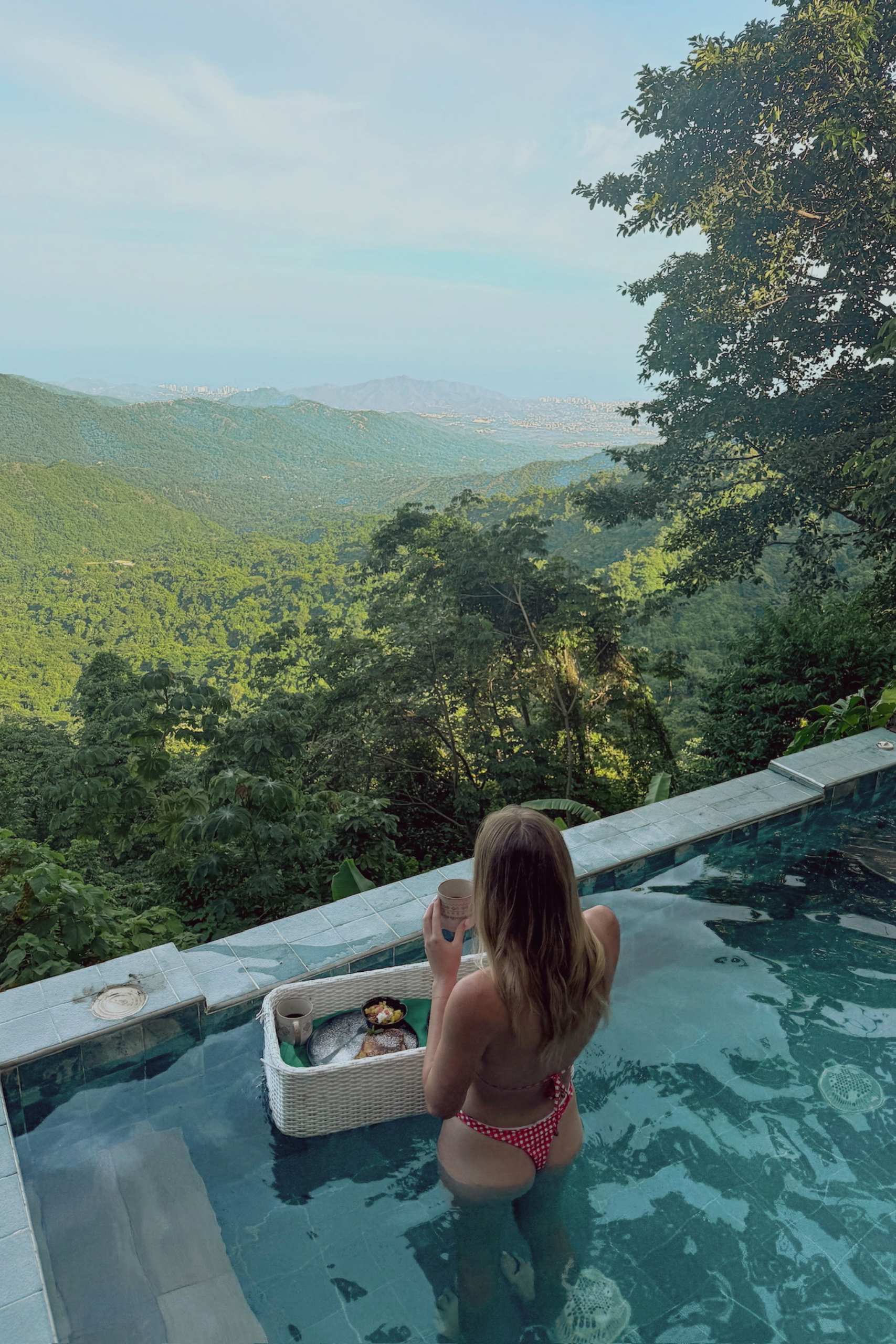
I would recommend staying near the park the night before your visit. There are several popular hostels with infinity pools overlooking the jungle, making for a relaxing stay. This way, you can wake up early and be at Tayrona for opening time, giving you a head start before the crowds arrive. Following these Tayrona National Park Tips ensures you make the most of your time in the park.
3. Park Timings, Costs and Documents Required for Entry
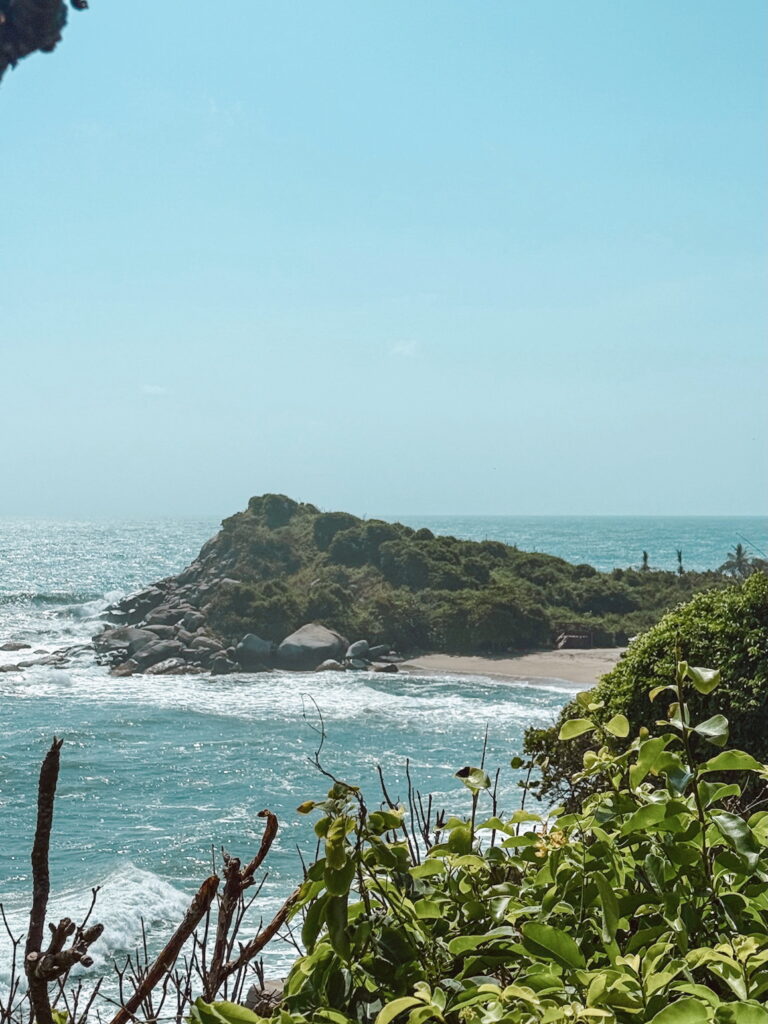
Tayrona National Park is open every day, with entry allowed from early morning until late afternoon. Exact opening hours can vary slightly depending on the season. When I went it was 8 am to 4 pm, so it is always a good idea to check the official website before your visit.
Entrance fees depend on the time of year. The high season rate, which runs from June 15 to July 15, December 15 to January 30, Holy Thursday to Sunday and weekends with a holiday, is 87,000 COP for foreign visitors. The low season rate for all other dates is 73,500 COP.
You also have to purchase travel insurance at the entrance, which costs 7,000 COP per person and is only payable in cash.
To enter the park you must show proof of yellow fever vaccination and your passport, which is mandatory for all visitors. The park staff strictly enforce these rules, so make sure you have the required documents ready to avoid any issues.
4. Staying in Tayrona National Park
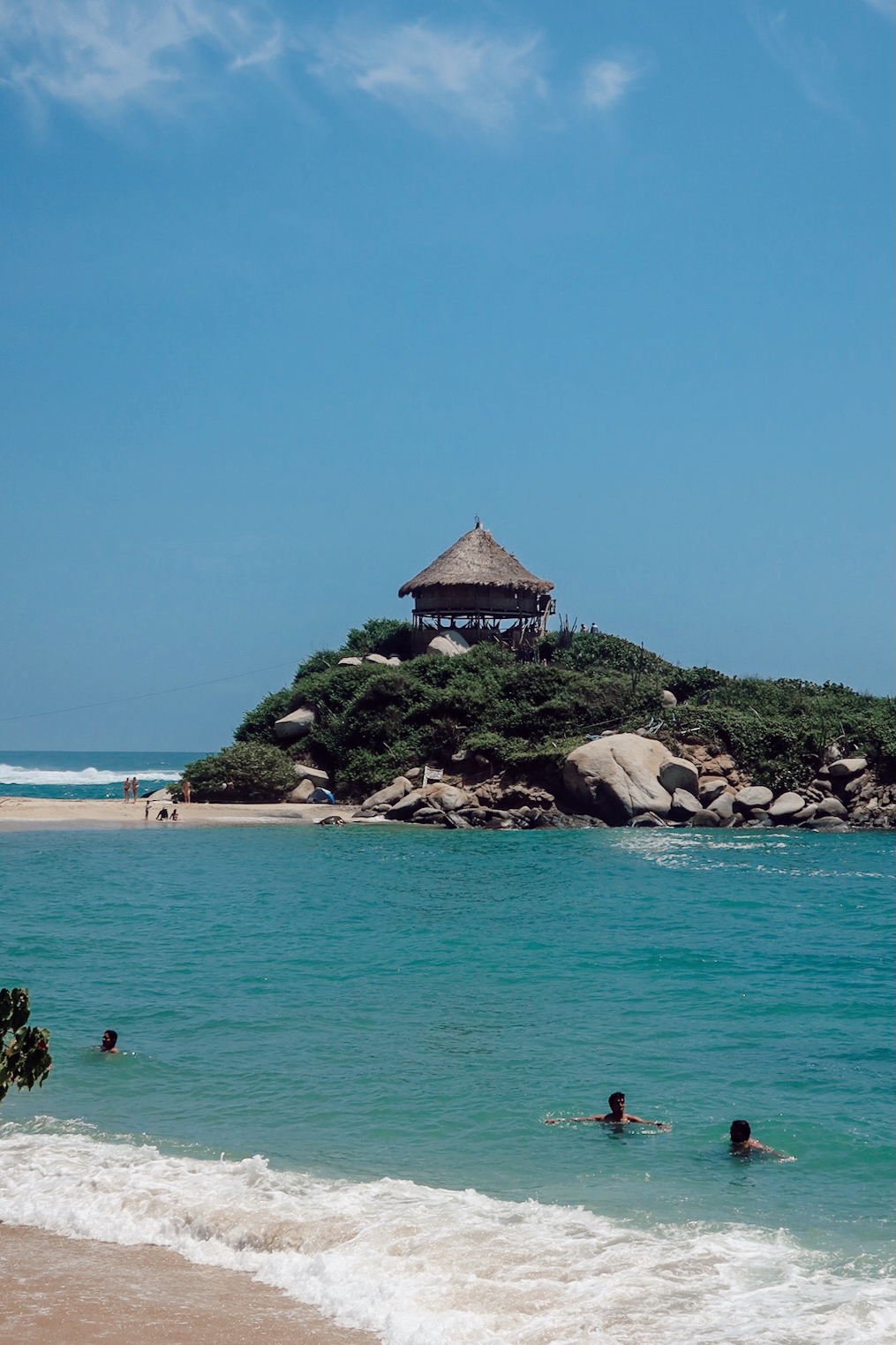
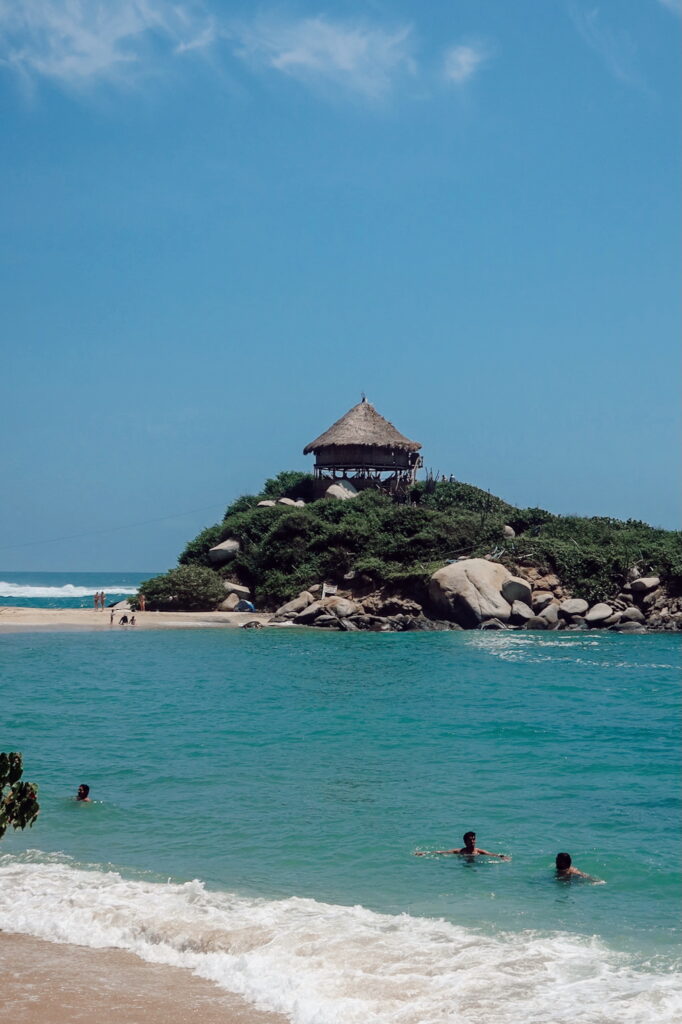
One of the best ways to experience Tayrona National Park Colombia is by staying overnight. You can spend the night in either a hammock or a tent depending on your preference. The hammock is the most popular option, as it lets you stay in the famous wooden hut at Cabo San Juan, the circle building on top of a rock you see in photos. It is cooler than a tent and perfect for stargazing at night.
Staying overnight here allows you to enjoy one of the most popular beaches in Tayrona without the crowds, as most visitors leave by sunset. You can even wake up for sunrise and have the beach almost entirely to yourself for hours.
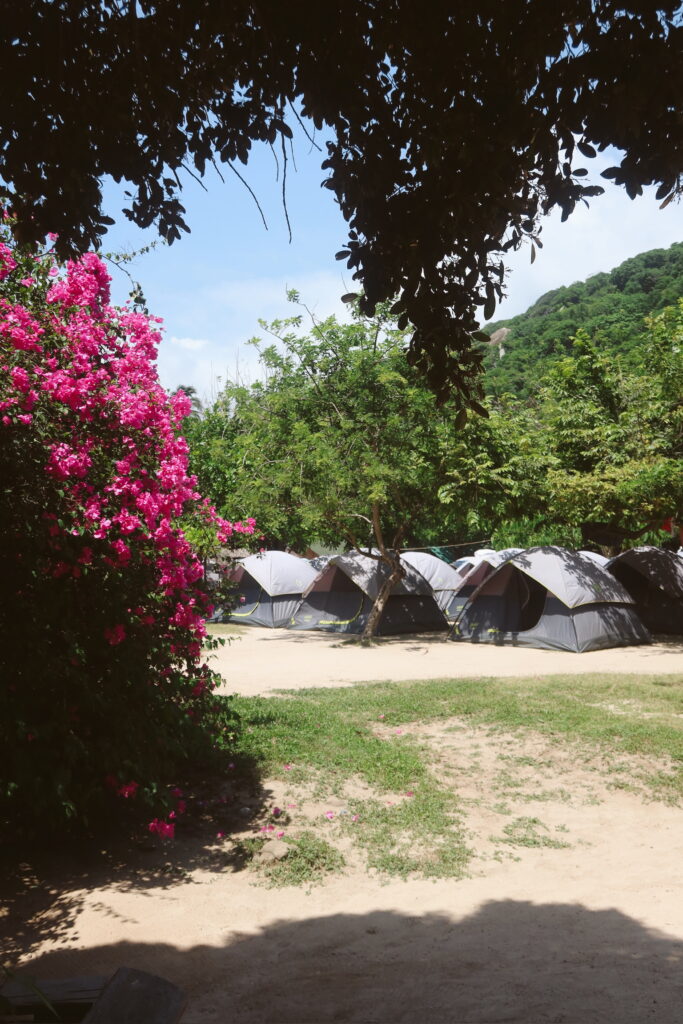
Tents also have their advantages. They come with a bug net and provide more protection from mosquitos and insects, which some visitors prefer. There are also more tents available than hammocks, so you have a better chance of securing one, as the hammocks sell out quickly.
It is important to book your overnight stay online in advance, as spaces fill up very quickly, especially for the popular hammocks. Booking ahead ensures you get your preferred spot and avoids disappointment.
5. Choosing an Entrance
Tayrona National Park has two main entrances: El Zaino and Calabazo.
I entered through El Zaino, which is the main entrance that most visitors use. The hike from here is easier and more straightforward and well marked, making it a popular choice for first time visitors. The path takes you past several scenic spots and beaches and it was a great way to ease into the park.
I did not hike from Calabazo, but I have heard it is a harder route. Visitors who choose this entrance often see fewer people along the way and have a better chance of spotting wildlife.
Choosing which entrance to use depends on your priorities. If you want an easier walk and a chance to explore some of the most popular beaches, El Zaino is perfect. If you prefer a more challenging hike with fewer crowds and more wildlife, Calabazo might be the way to go.
6. Hiking Tayrona National Park
When you enter Tayrona National Park from El Zaino, you have the option to take a shuttle or walk. Here are some key Tayrona National Park tips to help you enjoy the hike safely and spot wildlife along the way. I was told it is about an hours walk along the road until you reach the main starting point of the trail. I would recommend taking the shuttle, as walking this stretch does not offer much to see since it is just a road.
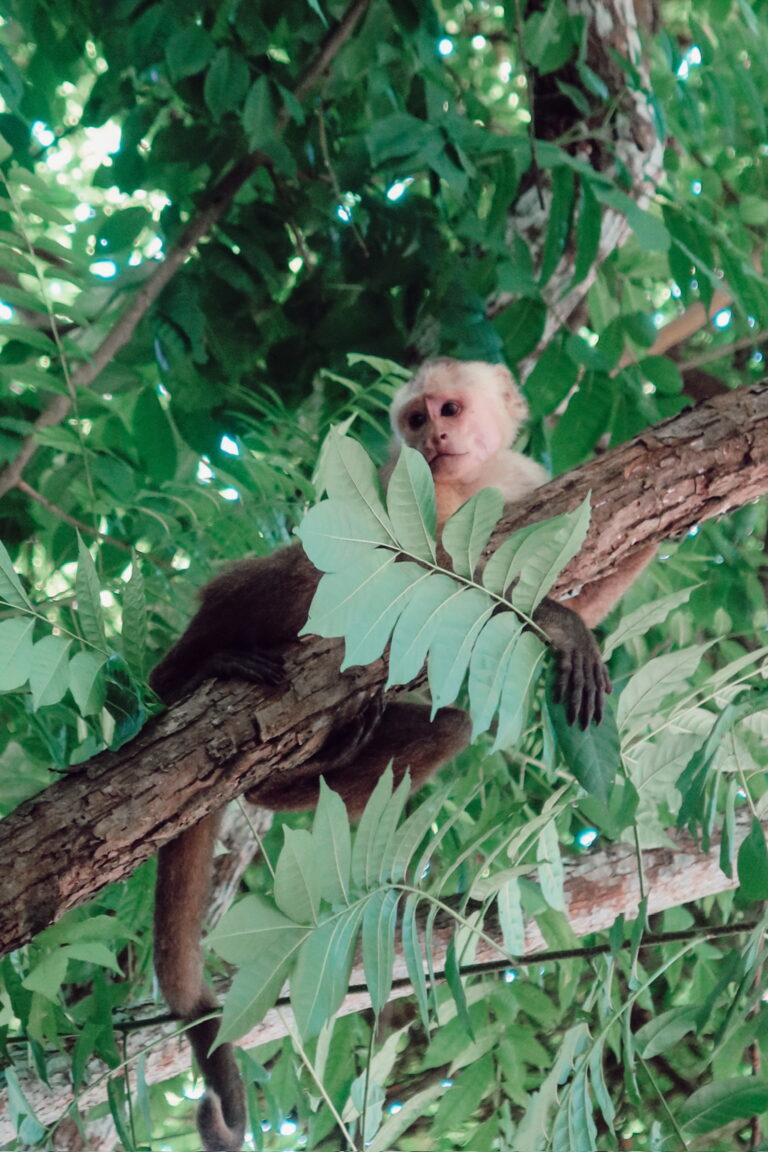
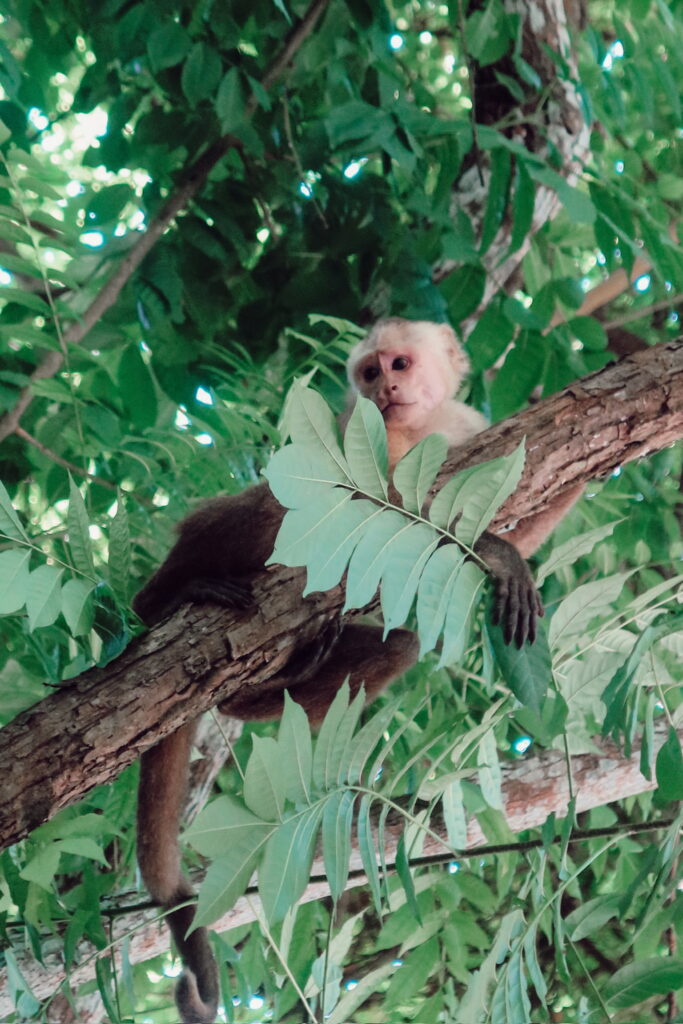
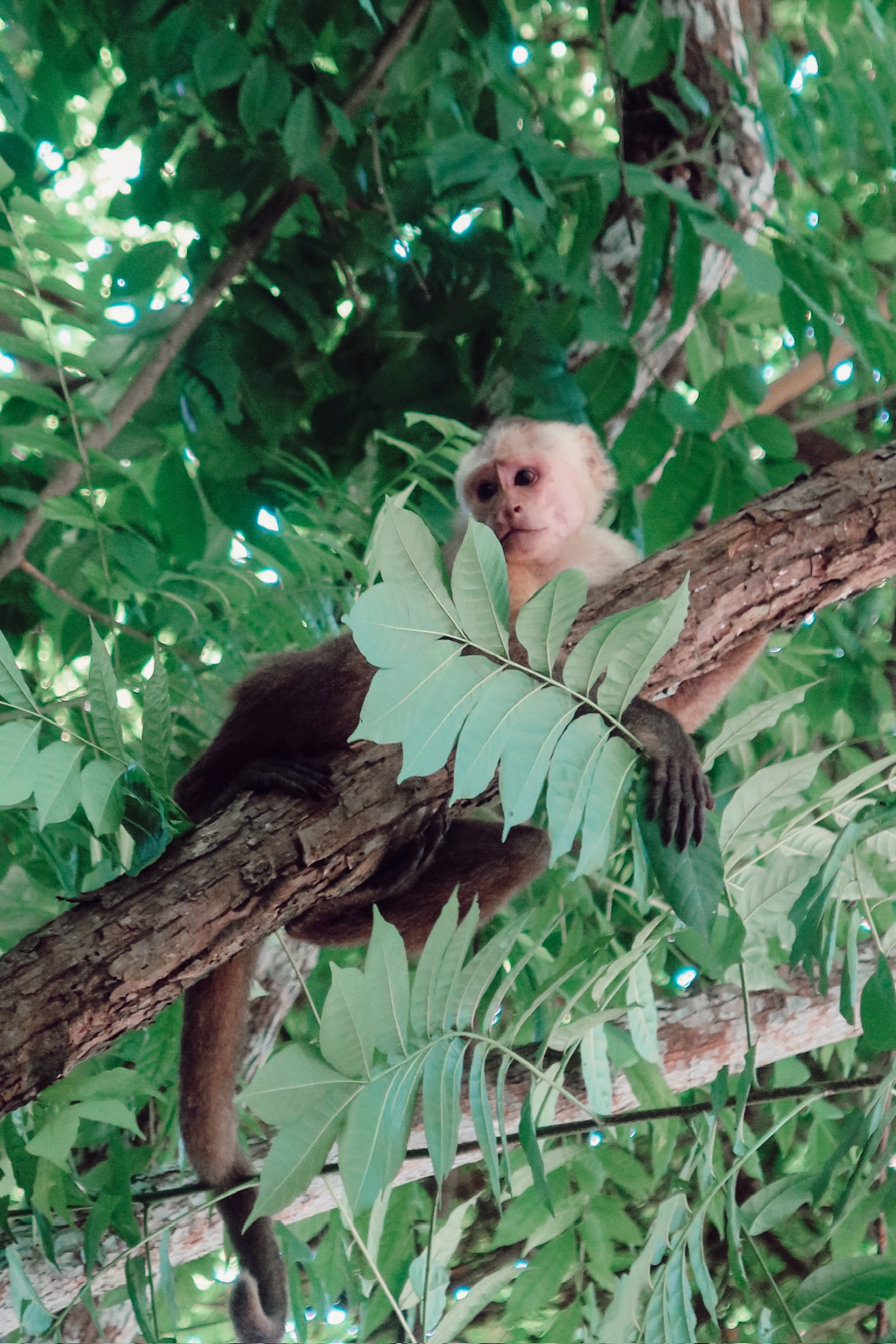
Once you reach the car park, you are at the starting point of the main trail. Almost immediately I spotted monkeys in the trees, which was amazing!
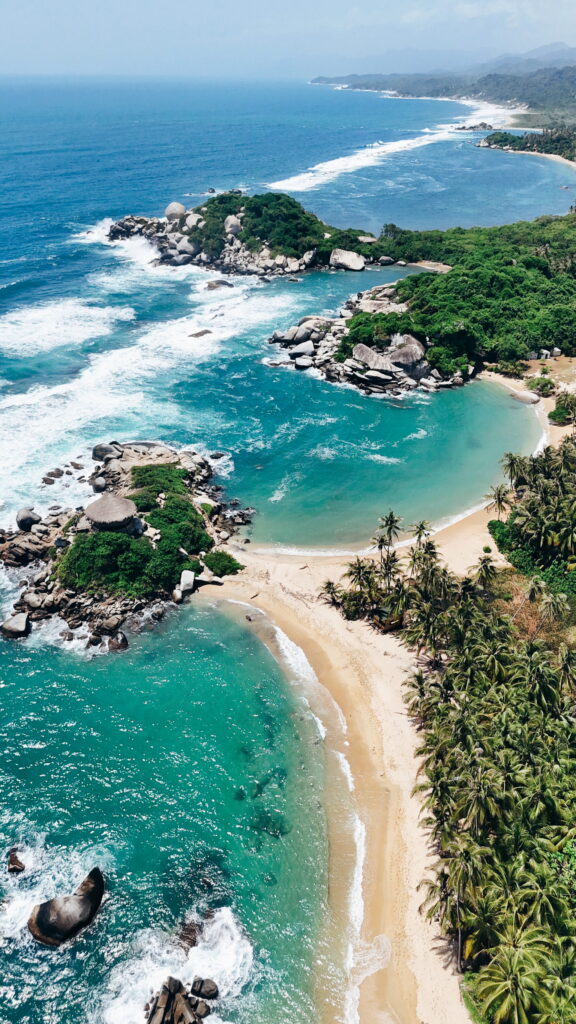
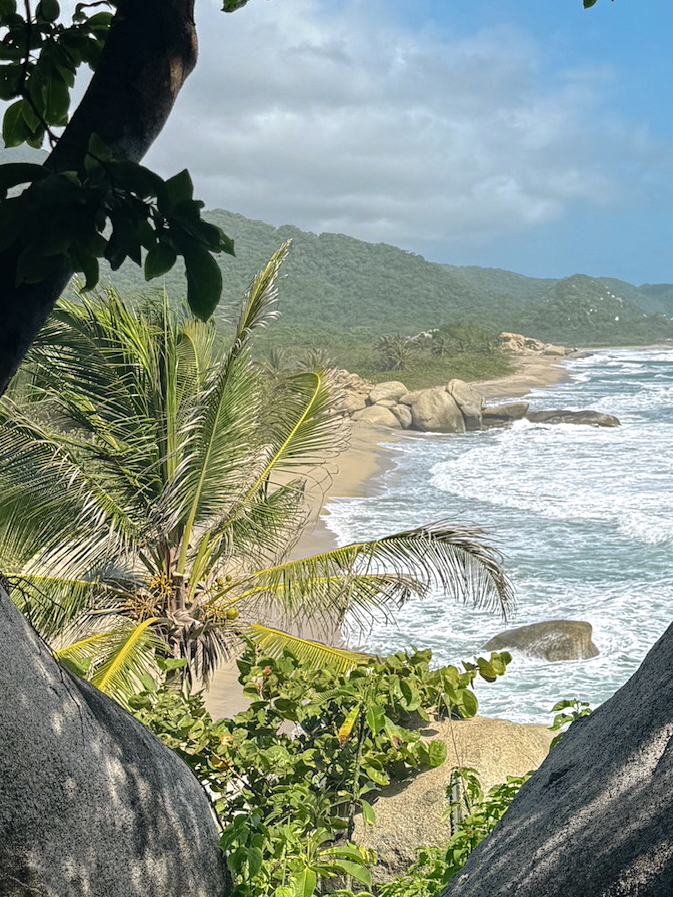
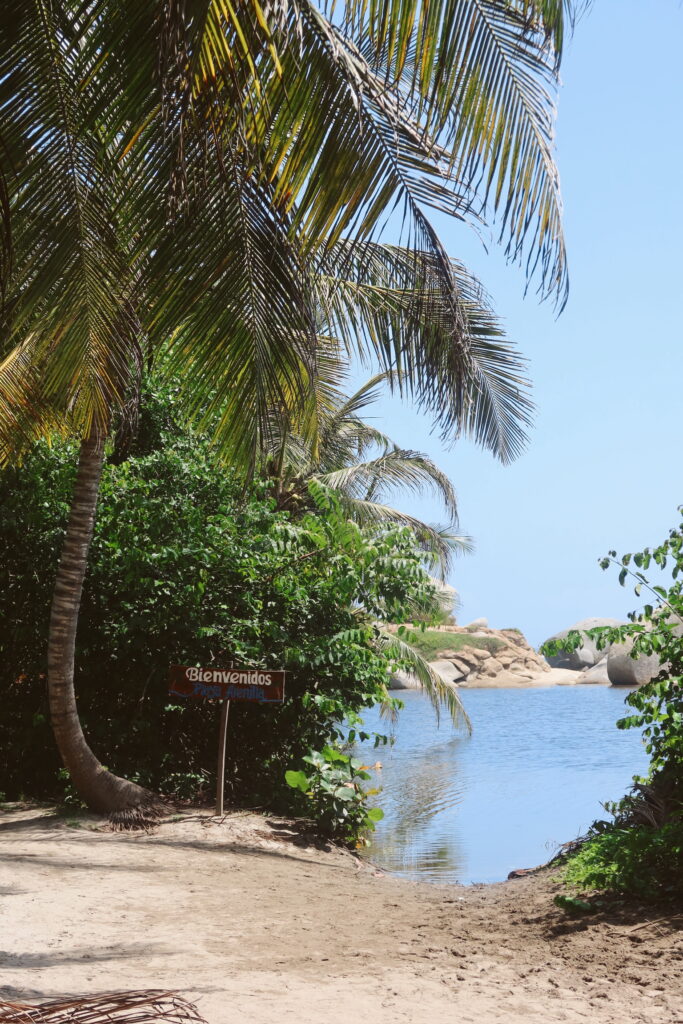
The first part of the hike takes you through dense jungle as you head towards the first beach, Arrecifes. As you get closer, the views become incredible, with small openings in the jungle revealing the beach and rocks from above, surrounded by palm trees. Swimming is not safe here, as the water is rough and I have heard there are caimans in this area.
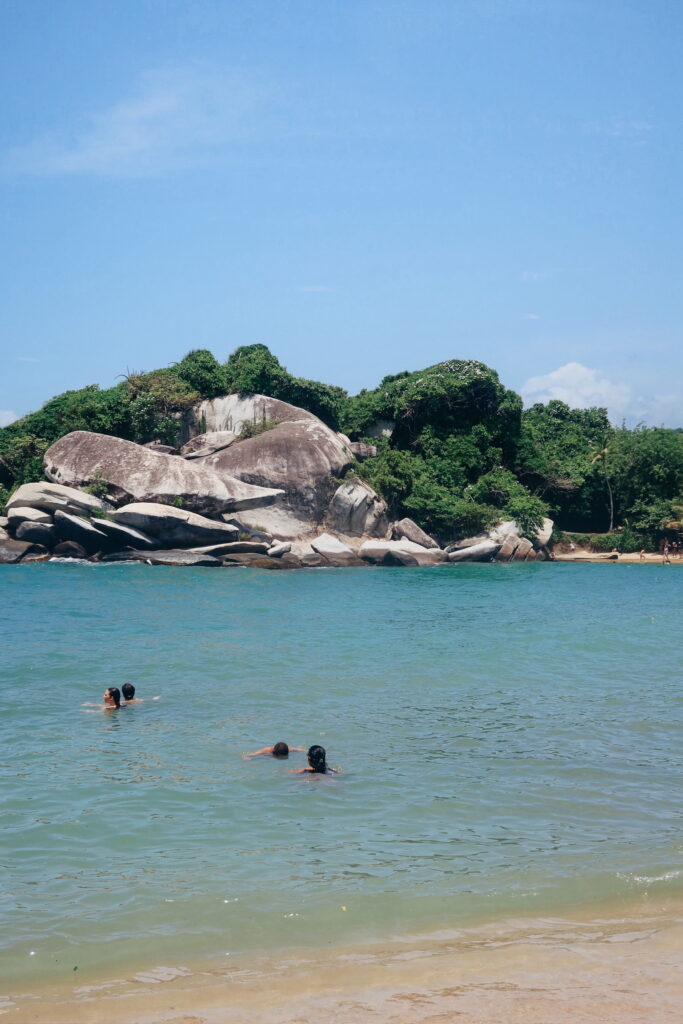
After Arrecifes, the trail continues to La Piscina beach. Many people recommended spending time at this beach, but I decided to stop only for photos and keep going, as I wanted to get to Cabo San Juan before the crowds. La Piscina is a great spot to swim and take a break if you want to rest for an hour.
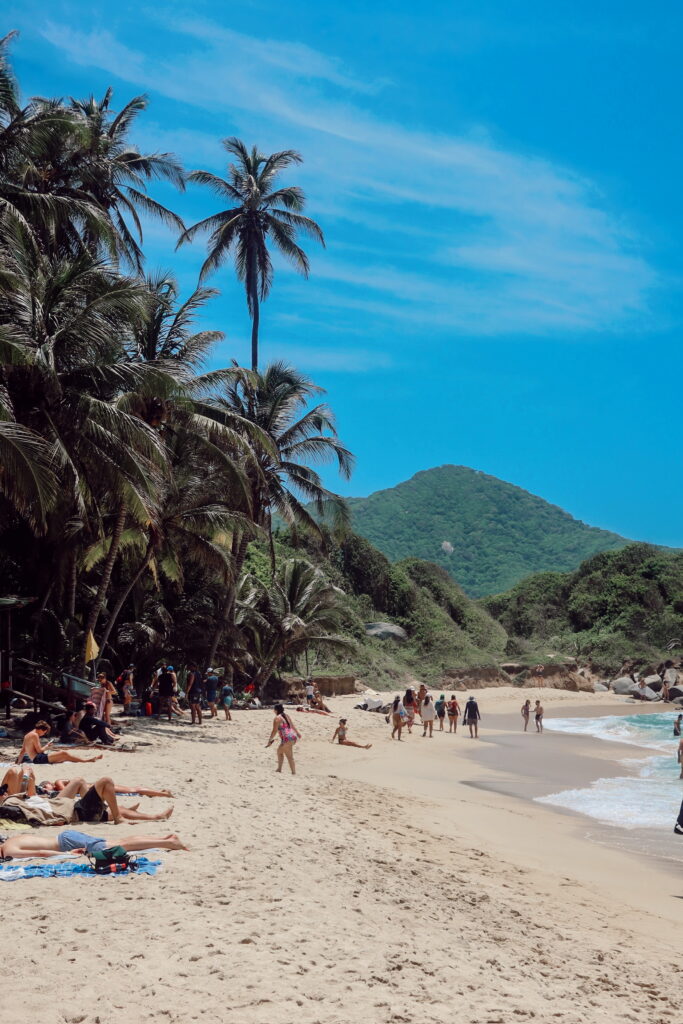
Next, the trail passes a few more small beaches until you reach Cabo San Juan, the most popular beach and the main campground. I was told not to spend the entire day here because it gets busy. I will not lie, it is crowded, but it is popular for a reason. It is one of the most beautiful beaches in Tayrona, so I still chose to set up and enjoy the day here.
The entire hike can take anywhere from 2.5 to 4 hours one way depending on your walking speed and how often you stop to take in the views. The trail continues past Cabo San Juan, but I would recommend stopping here, as you need to be out of the park by closing time and you will have to return the same way. It is important to factor in the timing for your hike so you can enjoy the beaches safely and return without rushing.
7. What to Pack
Below is everything you need to bring if you are staying the night. If you are just doing a day trip, you can skip the clothing and camping items.
Clothing and Footwear:
- Hiking shoes
- Flip-flops or sandals for the beach
- Quick dry clothes for hiking
- Swimwear
- Lightweight long sleeved shirt and pants for mosquito protection in the evening
- Light jacket or sweater for cooler nights in the hammock or tent
- Raincoat as the weather can be unpredictable
- Clothing for the next day to hike back (shorts, socks, top, underwear etc)
Optional Items: - Binoculars for wildlife spotting
- Lightweight hammock or insect net if you prefer your own setup
- Power bank for charging electronics
- Cash
Health and Safety:
- Mosquito repellent
- Personal first aid kit (band-aids, painkillers, antiseptic wipes)
- Yellow fever vaccination proof and passport (mandatory)
- Travel insurance proof (mandatory)
- Water bottle (reusable)
- Headlamp
- Toilet paper
- Suncream
- Toiletries
Beach and Hiking Essentials: - Quick dry travel towel
- Dry bag for valuables
- Snacks or small packed food
- Sunglasses and hat
- Camera or phone for photos
Where to Stay Near Tayrona National Park
If you want to stay close to Tayrona National Park, two of the most popular hostels nearby are The Valley Hostel and The Journey Hostel.
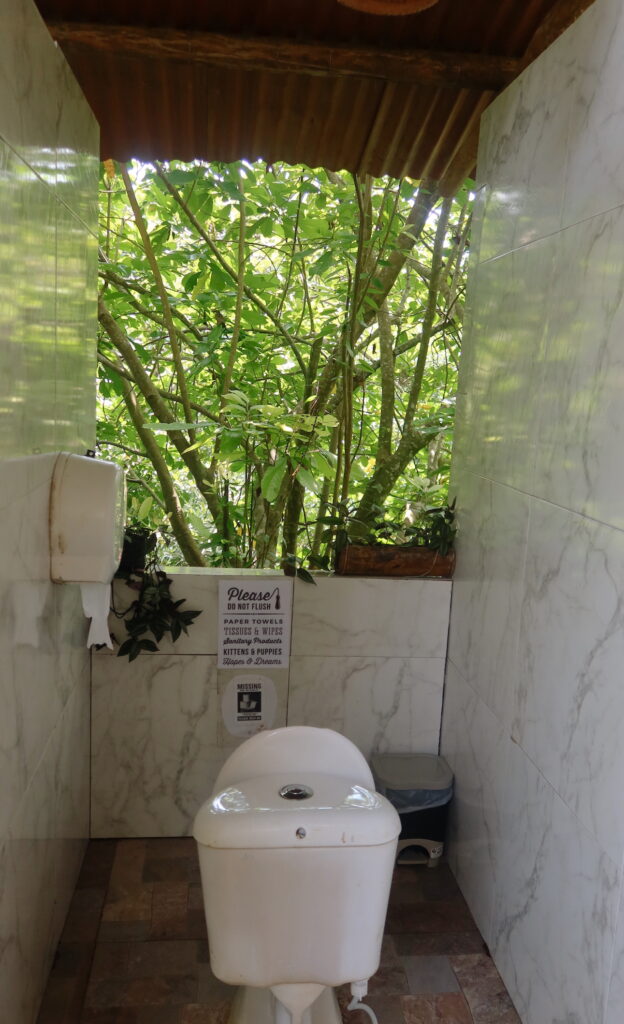
The Valley Hostel has both private rooms and dorms, all equipped with fans. The entire property feels fully connected to nature, even the toilets have open backs so you get a view while you do your business! This is where I stayed, and I loved it. The food was great, the rooms were comfortable, and the overall vibe was relaxed and natural.
The Journey Hostel is the most popular hostel in the area, but it is about double the price. We met a lot of travellers who chose to stay at The Valley instead, especially if they wanted a private room like us. Private rooms at Journey Hostel were even more expensive than some nearby hotels, so The Valley felt like a much better value.
Staying nearby makes it easy to get up early and be at the park for opening time, which is perfect if you want to beat the crowds.
What is Next?
Ultimate 3 Week Travel Itinerary
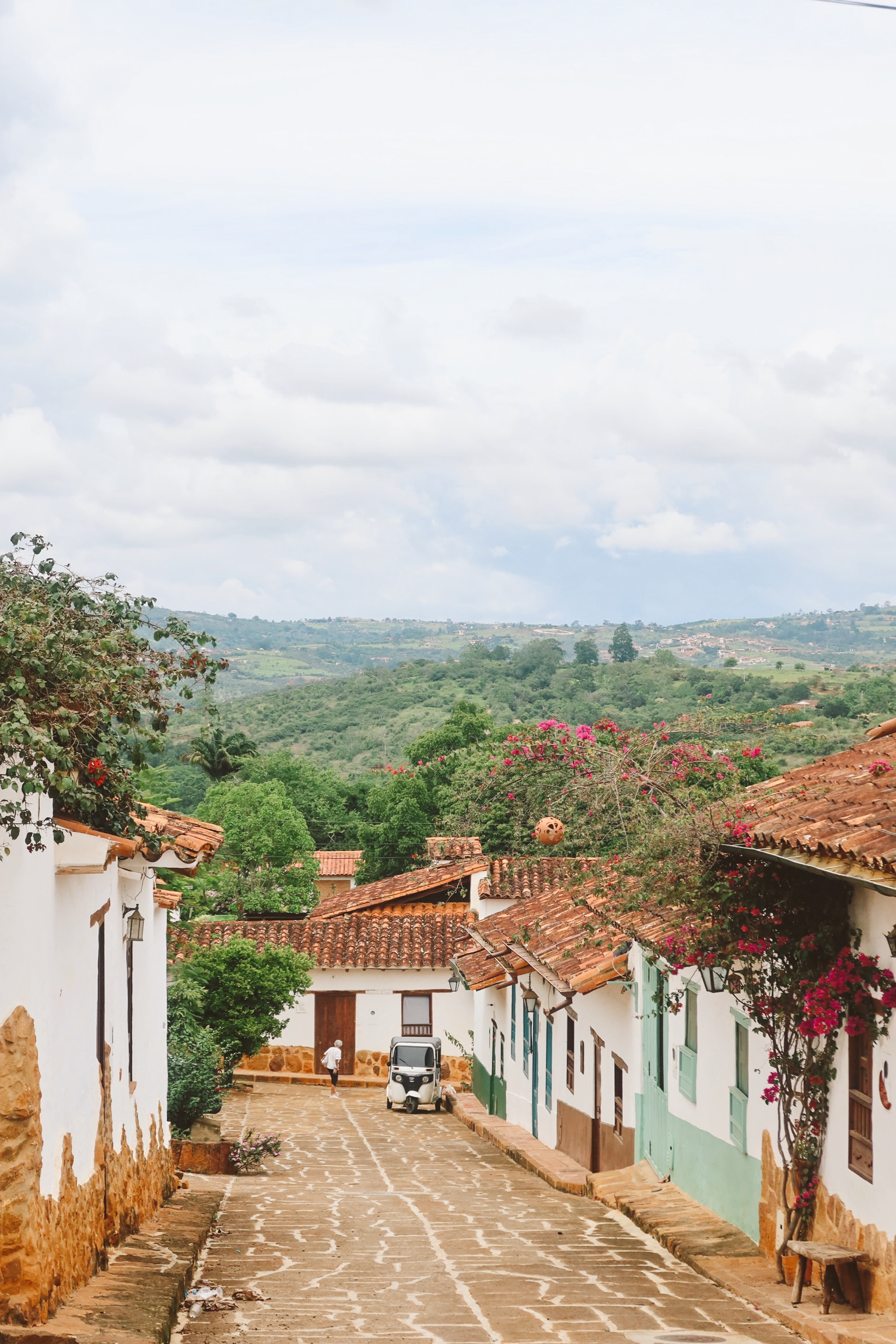
3 weeks is the “sweet spot” for Colombia. This perfect Colombia travel guide breaks down your daily stops, transport tips, and hidden gems to help you navigate the country like a pro. Grab the full itinerary and start packing, your ultimate South American adventure starts here.
Ultimate 3 Week Travel Itinerary
3 weeks is the “sweet spot” for Colombia. This perfect Colombia travel guide breaks down your daily stops, transport tips, and hidden gems to help you navigate the country like a pro. Grab the full itinerary and start packing, your ultimate South American adventure starts here.
Where to next?
I am constantly discovering new hidden gems and sharing the magic of the world in real time. If you would like to follow my journey through 44 countries and beyond, join me on social media. Whether you are looking for daily travel inspiration or honest travel advice for your next big adventure, I would love to have you as part of the Where Katie Goes community. Let us explore the world together.